
Understanding the Basics of Stationary
What is Stationary?
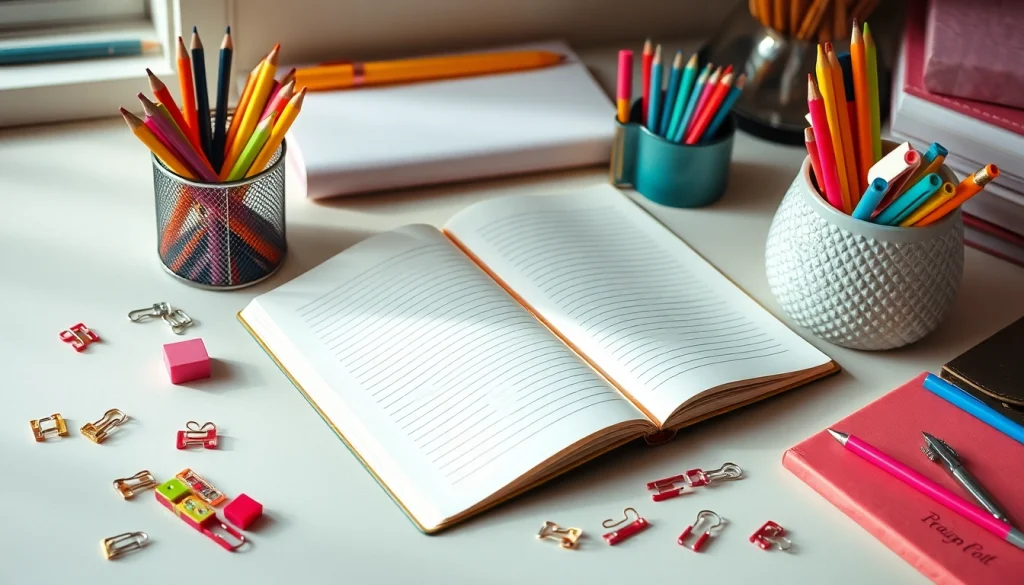
Stationary refers to writing materials that encompass a wide range of items such as paper, envelopes, writing instruments, and various accessories. These products are essential for both personal and professional communication, allowing individuals to express thoughts and ideas on physical mediums. Throughout history, the importance of stationary has evolved, yet its fundamental purpose remains unchanged: to facilitate the act of writing, organizing, and sharing information.
Different Types of Stationary
Stationary can be categorized into several types, each serving a unique purpose. Here are some of the most common types:
- Writing Paper: This includes letterheads, notepads, and specialty papers crafted for different writing experiences.
- Envelopes: Used for mailing letters and cards, available in various sizes and styles.
- Cards: This includes greeting cards, thank-you notes, and invitations, serving both personal and professional communication needs.
- Writing Instruments: Pens, pencils, and markers that come in various styles and ink types, essential for any stationary collection.
- Accessories: This encompasses items like bookmarks, stickers, and washi tape that can enhance the stationery experience.
Essential Features to Look For
When selecting stationary, consider the following essential features:
- Quality: Look for high-quality materials that ensure a pleasant writing experience and durability.
- Design: Aesthetic appeal is important; choose designs that resonate with your personal style or the occasion.
- Functionality: Ensure that the stationary meets your specific needs, whether for business correspondence or personal projects.
- Variety: A diverse range of products can enhance your writing and creative experience, providing options for different uses.
Choosing the Right Stationary for Your Needs
Evaluating Your Project Requirements
Before purchasing, assessing your project requirements thoroughly is essential. Consider the nature of your writing tasks:
- Purpose: Is it for everyday use, special occasions, or professional correspondence?
- Audience: Who will receive your written materials? Tailor your choices to suit their expectations.
- Quantity: Determine how much stationary you will need based on your frequency of use.
Matching Stationary to Your Creative Style
Consider your personal aesthetic and how it influences your choice of stationary. Some individuals prefer minimalist designs, while others lean toward vibrant patterns and colors. Pairing your personal style with the right stationary can enhance not only the visual aspects but also the emotional resonance of your writing.
Practical Tips for Selection
When selecting stationary, practice these practical tips:
- Sample Testing: If possible, test the stationary before purchasing to ensure it meets your expectations regarding texture and writing experience.
- Consider Cost: Balance quality with budget considerations; investing in high-quality stationary can yield better performance and satisfaction.
- Seek Recommendations: Ask friends or colleagues for their experiences and preferences in stationary.
Care and Maintenance of Stationary
Best Practices for Preserving Quality
Preserving the quality of your stationary is vital. Here are some best practices:
- Store Properly: Keep stationary in a cool, dry place away from direct sunlight to prevent fading and damage.
- Avoid Overuse: Do not overuse delicate papers, as they may wear out quickly.
- Regular Checks: Inspect stored stationary regularly to avoid any moisture or pest-related damage.
How to Store Stationary Effectively
Effective storage techniques for stationary not only protect your supplies but also make them easily accessible. Consider investing in:
- Organizers: Use drawer organizers or file boxes to categorize and store different types of stationary.
- Labels: Label your storage areas for quick identification of specific items.
- Temperature Control: Maintain a stable temperature and humidity to prevent degradation of materials.
Refreshing Your Collection: When and How
Refreshing your stationary collection periodically is essential to maintain an exciting and relevant writing environment. Here’s how:
- Assess Usage: Evaluate which items you frequently use and which ones may have been forgotten.
- Update Old Stock: Dispose of old or damaged stationary responsibly; recycle whenever possible.
- Experiment with New Styles: Regularly introduce new designs or products to keep things fresh and inspire creativity.
Creative Uses for Stationary Beyond the Basics
Incorporating Stationary in Home Décor
Stationary can go beyond its functional purpose to enhance your home environment. Consider the following creative ideas:
- Framed Art: Frame beautiful sheets of decorative paper or cards as unique wall art.
- Gift Wrapping: Use stationary items as creative wrapping paper or embellishments for gifts.
- Vision Boards: Clip sections of stationary into a vision board for inspiration and motivation.
Unique Craft Projects to Try
Engage your creativity by integrating stationary into craft projects. Here are a few suggestions:
- DIY Journals: Create personalized journals using decorative paper and binding techniques.
- Greeting Cards: Design handmade cards for occasions using various stationary elements.
- Scrapbooking: Utilize different types of paper and accessories to craft memorable scrapbooks.
Transforming Stationary into Personalized Gifts
Personalized stationary makes for thoughtful gifts. Here’s how to create memorable presents:
- Customized Sets: Curate sets of stationary with matching envelopes and writing tools.
- Personal Notes: Incorporate personalized messages or designs that reflect the recipient’s personality.
- Gift Wrapping: Handwrite a note on personalized paper to accompany your gift, making it special.
Assessing Performance: Why Quality Matters
Evaluating Stationary Performance in Various Projects
Performance evaluation of stationary materials is crucial for different tasks. Considerations may include:
- Ink Compatibility: Check how different papers absorb and react to various inks.
- Durability: Assess how well products withstand regular use, especially in professional settings.
- Aesthetic Appeal: Utmost importance lies in how the final product looks and feels when completed.
Top Factors That Affect Usage Experience
The user experience is influenced by several factors, including:
- Paper Texture: The smoothness or roughness of paper can significantly affect writing comfort.
- Ink Quality: High-quality inks lead to better performance, drying times, and overall aesthetics.
- Ergonomics: Choose instruments that are comfortable to hold and use for extended periods.
Long-Term Benefits of Investing in Quality
Investing in quality stationary may have long-term benefits such as:
- Enhanced Creativity: High-quality stationary inspires better creative expression and keeps you engaged.
- Positive Impressions: Quality items can leave a lasting impression on recipients, particularly in professional scenarios.
- Durability Savings: Quality products last longer, reducing the need for frequent replacements.