
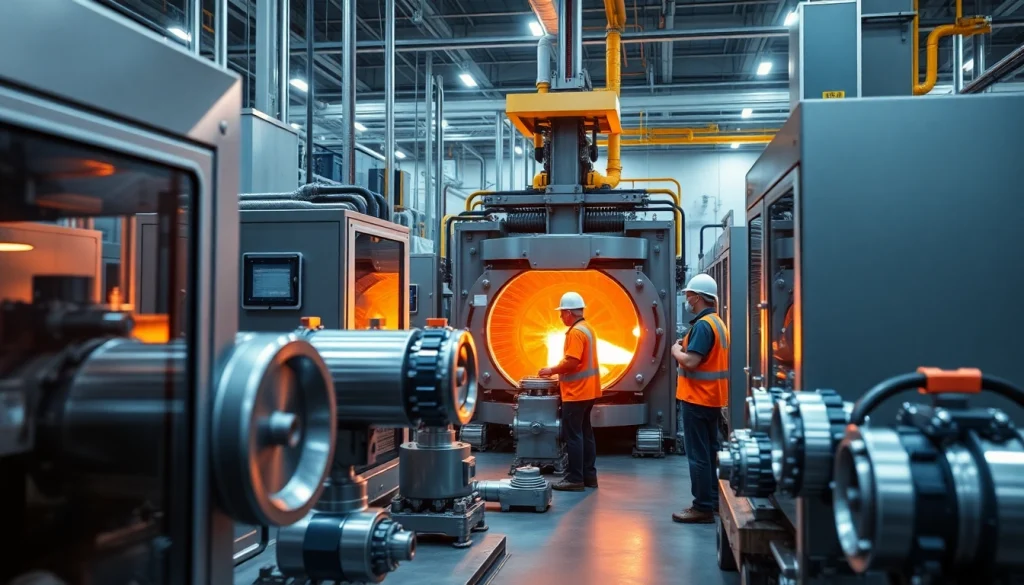
Understanding Diecasting Malaysia: Industry Overview
Diecasting is an indispensable method in manufacturing that has seen substantial growth in Malaysia over the last few decades. As a diecasting malaysia leader, it serves a variety of industries, including automotive, electronics, and aerospace. The technique involves forcing molten metal into a mold under high pressure, which creates complex shapes with high dimensional accuracy. This method’s efficiency and versatility significantly contribute to the manufacturing capabilities within Malaysia, making it a vital component in the region’s industrial landscape.
What is Diecasting?
Diecasting is a metal casting process characterized by the use of high pressure to force molten metal into a mold cavity. The molds, called dies, are often made from hardened steel, allowing for the production of intricate shapes with tight tolerances. This method is especially suitable for high-volume production due to its speed and efficiency. Common metals used in diecasting include aluminum, zinc, and magnesium, each chosen for its specific properties such as lightweight, corrosion resistance, and strength.
The Evolution of Diecasting in Malaysia
The diecasting industry in Malaysia has evolved remarkably since its inception. Initially focused on small-scale operations, Malaysia has transitioned into a competitive hub for diecasting due to significant investment in technology and skilled workforce development. The presence of multinational corporations has further accelerated the growth, fostering innovation and enhancing local capabilities. Today, Malaysian diecasters are not only meeting local demands but also exporting quality diecast products globally.
Current Market Trends and Insights
In 2025, the diecasting market in Malaysia is expected to experience continued growth, driven by increasing demand from various sectors. Key trends include the adoption of automation and robotics for enhanced precision, as well as the integration of eco-friendly practices to reduce environmental impact. Moreover, the push towards lightweight materials, especially in the automotive industry, presents opportunities for growth in aluminum diecasting, where manufacturers are innovating to meet the stringent requirements for fuel efficiency and performance.
The Diecasting Process: A Step-by-Step Guide
Preparation: Materials and Equipment Needed
The diecasting process begins with careful preparation of materials and equipment. Key materials include high-quality metal alloys, primarily aluminum and zinc. Equipment such as die casting machines, melting furnaces, and robotic arms for handling are vital. Ensuring that all equipment is calibrated and ready for operation is crucial for maintaining production efficiency and quality standards.
Steps of the Diecasting Process Explained
- Melting: The metal is melted in a furnace at high temperatures.
- Pouring: The molten metal is poured into the die casting machine.
- Injection: A piston forces the molten metal into the mold under high pressure.
- Cooling: The metal is allowed to cool and solidify within the mold.
- Ejection: Once solid, the die is opened, and the cast part is ejected.
- Trimming: Excess material, or flash, is trimmed from the cast part.
Common Challenges in Diecasting and Solutions
Despite its advantages, diecasting in Malaysia faces challenges such as mold wear, defects in casting, and the need for precision. Solutions lie in investing in higher-quality materials for molds to extend their lifespan, implementing more rigorous quality control processes, and utilizing advanced simulation software to predict potential issues before production begins. Training employees in the latest techniques also ensures that potential problems are addressed promptly.
Applications of Diecasting in Various Industries
Automotive Sector: Efficiency and Performance
In the automotive industry, the demand for lightweight and durable components continues to rise. Diecasting allows manufacturers to create complex shapes that contribute to vehicle efficiency and performance. Components such as engine blocks, transmission cases, and chassis parts are often diecast due to their precision and strength, significantly impacting overall vehicle dynamics.
Consumer Electronics: Precision and Reliability
Consumer electronics require components that are not only lightweight but also highly intricate. Diecast parts are used in devices like smartphones, laptops, and tablets, where precision engineering is essential. The reliability of diecast components in maintaining tolerances ensures that electronic devices meet performance expectations and consumer demands.
Aerospace Applications: Safety and Compliance
The aerospace sector demands the highest safety and compliance standards. Diecasting plays a pivotal role in producing parts for aircraft, such as housings and fittings, where precision and strength are critical. Continuous advancements in materials and techniques allow diecasting manufacturers to adhere to strict regulatory requirements while providing lightweight solutions that enhance fuel efficiency.
Quality Control in Diecasting Malaysia
Standards and Certifications for Diecasting
Quality control is paramount in the diecasting industry to ensure that products meet international standards. Certifications such as ISO 9001 and TS16949 are essential for manufacturers to demonstrate their commitment to quality and customer satisfaction. Regular audits and assessments help maintain compliance and improve operational processes.
Techniques for Ensuring Quality in Production
To ensure high-quality output, manufacturers implement various techniques including statistical process control (SPC), non-destructive testing (NDT), and automated inspection systems. These methods allow for real-time monitoring and adjustments in the production process, minimizing defects and meeting stringent quality standards.
Case Studies: Success Stories in Quality Assurance
Several Malaysian diecasting companies have successfully implemented quality control measures that resulted in significant improvements. For example, a leading automotive component manufacturer integrated advanced NDT techniques to identify defects earlier in the production process, reducing scrap rates by over 25%. Such successful case studies highlight the effectiveness of stringent quality assurance protocols in maintaining industry standards.
The Future of Diecasting: Challenges and Innovations for 2025
Emerging Technologies in Diecasting
As the diecasting industry evolves, emerging technologies such as 3D printing and smart manufacturing are set to transform traditional processes. These innovations enable greater customization, reduced lead times, and enhanced flexibility in production. The integration of artificial intelligence within diecasting operations will also likely streamline processes and improve predictive maintenance.
Sustainability Trends and Eco-Friendly Practices
With increasing environmental concerns, the diecasting industry is moving towards more sustainable practices. Companies are exploring options such as recycled materials and energy-efficient manufacturing processes. The shift towards eco-friendly solutions not only meets regulatory requirements but also resonates with consumers who prioritize sustainability.
Predictions for the Diecasting Industry in 2025
Looking ahead to 2025, the diecasting industry in Malaysia is poised for robust growth. With advancements in technology and a continuous drive for innovation, manufacturers are expected to enhance their capabilities and expand into new markets. The focus on lightweight materials, sustainability, and automation will likely lead to a more efficient and competitive industry landscape.