
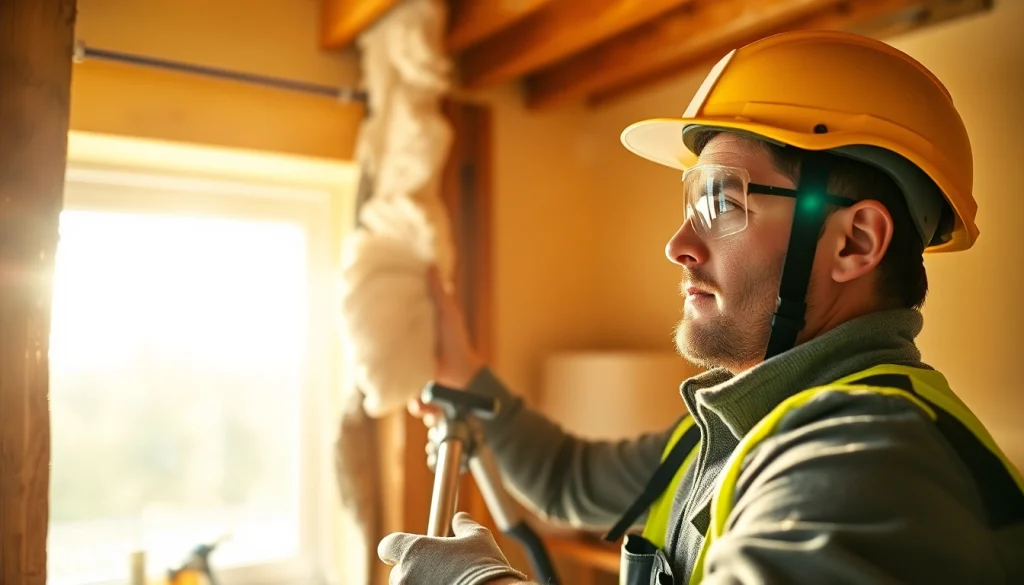
Understanding Spray Foam Removal West Sussex
In recent years, spray foam insulation has become increasingly popular due to its energy efficiency and ease of application. However, there are instances where homeowners and businesses may need to consider spray foam removal West Sussex. Understanding the basics of spray foam, the need for its removal, and the potential challenges can help guide this important decision.
What is Spray Foam?
Spray foam insulation is a substance made from a mixture of organic chemicals that expand when applied. It is most commonly used to insulate attics, walls, and crawl spaces, providing an air-tight seal that minimizes heat loss and improves energy efficiency. The foam can be classified primarily into two categories: open-cell and closed-cell spray foam. Open-cell foam is softer and more flexible, while closed-cell foam is denser and offers better insulation value. Despite its benefits, there are occasions when the removal of spray foam becomes essential.
Why Removal is Necessary
There are several reasons why spray foam may need to be removed. Firstly, if the installation was done improperly, it can result in air gaps and moisture retention, leading to mold issues. Secondly, property renovations or leaks may necessitate access to walls or ceilings, making removal unavoidable. Lastly, if the foam degrades or emits a strong odor, it is crucial for both safety and comfort to consider opting for removal.
Common Challenges in Removal Process
The process of spray foam removal can be daunting due to various challenges. One primary obstacle is the adhesive qualities of the foam, making it difficult to remove without damaging underlying structures. Additionally, inadequate ventilation can lead to harmful fumes during the removal process. Finally, improper techniques can leave residual foam, creating further issues and necessitating additional labor to resolve.
Tools and Techniques for Effective Removal
Essential Tools for Spray Foam Removal
To successfully remove spray foam insulation, specific tools are essential. Key tools include:
- Utility Knife: Ideal for cutting away excess foam.
- Oscillating Multi-Tool: Excels in removing foam in tight spaces.
- Heat Gun: Helps to soften foam for easier removal.
- Protective Gear: Essential for safeguarding yourself from fumes and debris, including gloves, goggles, and masks.
- Scraper Tools: Useful for removing stubborn foam remnants on surfaces.
Step-by-Step Removal Techniques
Effective removal of spray foam involves multiple steps:
- Preparation: Ensure the area is well-ventilated. Wear all necessary protective gear.
- Cutting: Use the utility knife to slice through the foam, creating manageable sections.
- Heating: If necessary, employ a heat gun to soften the foam for easier scraping.
- Scraping: Use the scraper tools to remove the foam gently, taking care not to damage the underlying surface.
- Inspection: After removal, inspect for remaining residues, repeating the scraping as necessary.
Best Practices for Safety During Removal
Safety should be a top priority when removing spray foam. Always ensure your work area is well-ventilated to mitigate inhalation of fumes. Wearing a high-quality mask that filters chemicals and vapors is also recommended. Additionally, using protective goggles will guard against foam debris harming your eyes. Make sure to keep a first-aid kit accessible, just in case of unexpected accidents.
Professional vs. DIY Spray Foam Removal in West Sussex
Advantages of Hiring Professionals
While DIY removal is plausible, hiring professionals has distinct advantages. They possess specialized tools and expertise that can speed up the removal process while minimizing damage. Additionally, professionals are trained to handle hazardous materials safely and efficiently, reducing the risk of health issues or structural damage.
When to Consider a DIY Approach
A DIY approach may be appropriate for small areas or minor jobs where the homeowner feels competent and equipped. However, it’s critical to assess the scope of the project realistically and recognize when to call in the experts, especially for larger areas or if the foam poses significant hazards.
Evaluating Cost-Effectiveness
Cost is often a considerable factor influencing the decision between DIY and professional removal. While DIY may save money upfront, it can lead to higher costs if mistakes require professional intervention later. On the other side, investing in professionals can ensure quality and often save costs in the long run through effective, efficient work.
Post-Removal Care and Maintenance
Inspecting for Residue After Removal
After the spray foam has been removed, it is essential to inspect the area thoroughly for residue. Any remaining foam can result in problems, including moisture issues or further pest problems. Conduct a detailed examination of the surface, using your scraping tools if necessary to ensure a clean slate.
Repairing Walls and Surfaces
Once the spray foam is completely removed and the area is clear of debris, repairing any damages to walls and surfaces should be the next priority. This may include patching holes, fixing dents, or repainting. Ensuring these areas are correctly restored is vital for maintaining the integrity and appearance of your property.
Preventing Future Foam Issues
To avoid needing to remove spray foam insulation again, consider proper installation and regular maintenance. Ensuring that foam is installed correctly and maintaining good ventilation can help prevent issues such as condensation and mold from arising in the first place. Regular inspections can also help catch any potential problems before they escalate.
FAQs About Spray Foam Removal West Sussex
How Long Does Spray Foam Removal Take?
The time required for removal varies based on the area size and difficulty of the foam removal. Typically, it ranges from a few hours to a full day.
Can I Remove Spray Foam Myself?
Yes, but it requires the right tools, safety precautions, and knowledge. Assess your skills beforehand to avoid causing damage or health risks.
What Safety Precautions Should I Take?
Wear protective goggles, gloves, and a mask during removal. Ensure the area is well-ventilated to avoid inhaling harmful fumes.
How Much Does Professional Removal Cost?
Costs for professional removal vary widely based on the area’s size and complexity. Average costs range from hundreds to thousands, depending on the job’s scope.
Are There Eco-Friendly Removal Options?
Yes, eco-friendly removal options are available. Look for professional services that utilize sustainable techniques and chemicals to minimize environmental impact.