
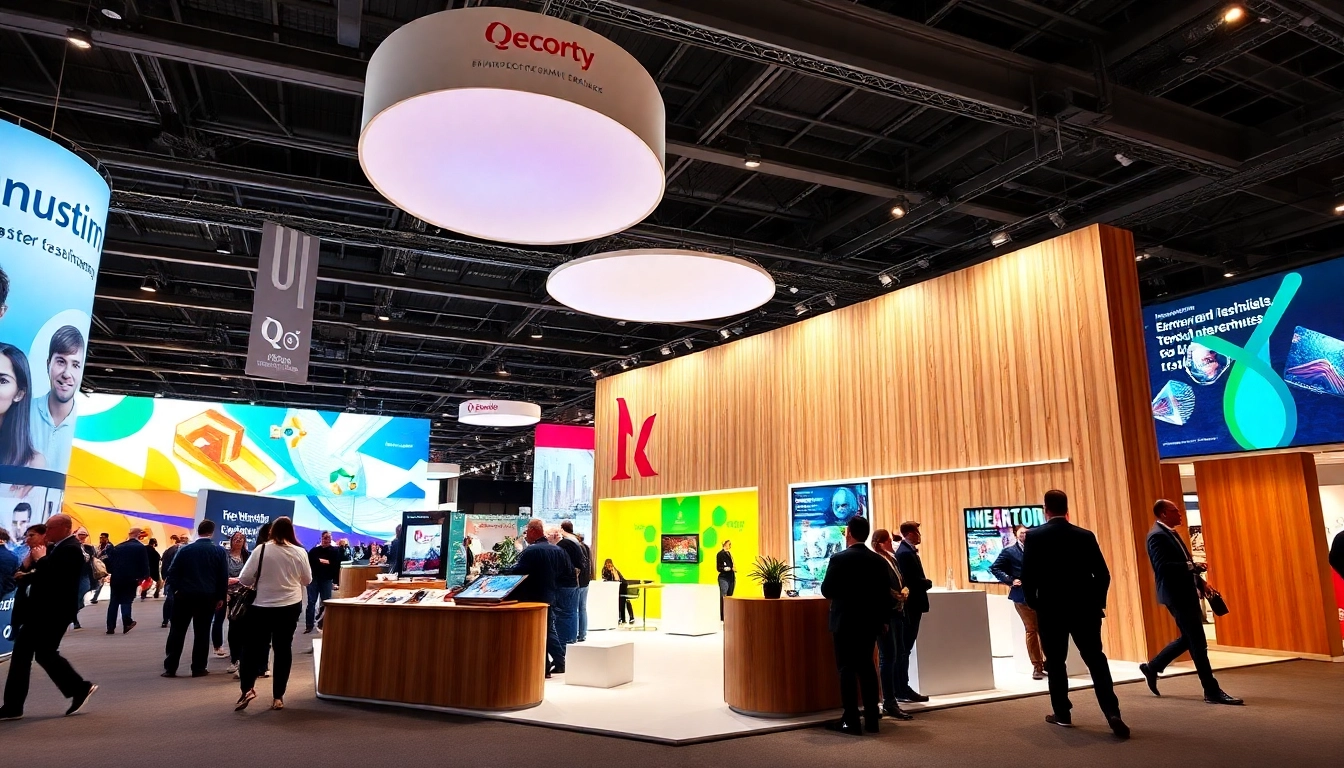
Understanding Exhibition Stand Builders Birmingham
When it comes to showcasing products and services, exhibitions are an invaluable platform for businesses in Birmingham. However, the effectiveness of an exhibition often hinges on the quality of the exhibition stand. This is where exhibition stand builders birmingham come into play. These professionals specialize in designing, constructing, and managing exhibition stands, ensuring that brands can present themselves in the best possible light.
What Do Exhibition Stand Builders Do?
Exhibition stand builders are specialists who handle a variety of tasks related to the design and construction of exhibition booths. Their responsibilities typically include:
- Consultation with Clients: Understanding the client’s vision, brand identity, and objectives for the exhibition.
- Design Creation: Developing a creative concept that aligns with the client’s goals while attracting the attention of exhibition visitors.
- Construction and Installation: Building the stand using high-quality materials and ensuring it meets all safety standards.
- Logistics Management: Overseeing the transportation, setup, and dismantling of the exhibition stand, which is crucial for seamless operations.
- Post-Exhibition Support: Offering services post-event for storage or reconfiguration of the stand for future use.
Benefits of Hiring Professionals in Birmingham
Engaging a professional exhibition stand builder brings numerous advantages:
- Expertise and Experience: Professionals have a wealth of experience and knowledge which helps in creating effective stands that attract attention.
- Custom Solutions: Stand builders provide tailored solutions based on the unique needs of each business, ensuring a perfect fit for every exhibition space.
- Time and Cost Efficiency: Professionals can save businesses valuable time and potentially reduce costs by avoiding costly mistakes in design and construction.
- Innovative Designs: Experienced builders are up to date with the latest trends and technologies, incorporating innovative ideas that enhance engagement.
Key Qualities of Top Exhibition Stand Builders
Not all exhibition stand builders are created equal. Here are some key qualities to look for:
- Portfolio of Past Work: A robust portfolio showcases a builder’s ability and style, giving insight into their capabilities.
- Client Testimonials: Positive feedback from previous clients can indicate reliability and quality.
- Creativity and Innovation: The ability to come up with unique designs that stand out in a competitive environment is crucial.
- Project Management Skills: Strong organizational skills are essential to handle logistics effectively and keep projects on track.
- Commitment to Customer Service: Builders who prioritize client communication ensure a smoother process and greater satisfaction.
Design Trends in Exhibition Stands
Emerging Styles and Materials
In the world of exhibition stands, design trends evolve continually. Some of the most noteworthy emerging styles and materials include:
- Sustainable Materials: There is a growing trend towards using eco-friendly materials, such as reclaimed wood and recycled plastics, appealing to environmentally conscious consumers.
- Modular Designs: These flexible systems allow for customization and easy reconfiguration, making them a popular choice for diverse exhibition spaces.
- Minimalist Aesthetics: Clean lines, uncluttered spaces, and simple color schemes can enhance brand visibility and make a bold statement without overwhelming visitors.
- Interactive Elements: Incorporating technology such as touchscreens and virtual reality experiences can engage attendees on a deeper level.
Integrating Technology into Your Stand
Technology plays a crucial role in modern exhibition stand design. Here’s how you can effectively integrate it:
- Digital Displays: Use high-definition screens to showcase videos, presentations, or interactive content. This can draw in visitors and provide information in an engaging manner.
- Augmented Reality (AR): AR can help create immersive experiences, allowing visitors to interact with 3D models of products or services, enhancing their understanding of what’s being offered.
- Social Media Integration: Encourage visitors to engage with your company online by displaying live feeds from your social media platforms or implementing unique hashtags.
- Lead Capture Tools: Utilize apps or devices that facilitate the quick capture of visitor information, helping you follow up effectively after the event.
Case Studies of Successful Designs
Learning from successful cases can provide valuable insights. Here are a couple of notable examples:
- Tech Company XYZ: Their exhibition stand integrated augmented reality to allow visitors to virtually experience their latest product innovations. The booth attracted a significant amount of foot traffic, resulting in a 30% increase in lead generation compared to previous events.
- Brand ABC: Emphasizing a minimalist design, they utilized sustainable materials and digital displays to convey their commitment to the environment. This approach not only enhanced their brand image but also resonated well with eco-conscious attendees, garnering numerous positive reviews.
Cost Considerations for Your Exhibition Stand
Budgeting for Design and Build
Budgeting is one of the most crucial aspects of planning an exhibition stand. Consider these components when budgeting:
- Design Fees: This includes costs for graphic design, engineering, and the conceptualization of the booth.
- Materials: The choice of materials greatly affects costs, from basic options to high-end finishes.
- Logistics: Consider transportation and installation costs, which can vary based on location and complexity of the build.
- Labor: Account for the cost of skilled labor for assembly and dismantling, as well as on-site support during the exhibition.
Understanding Pricing Models in Birmingham
The pricing models for exhibition stands can greatly vary based on several factors, including:
- Flat Fee Model: Often includes a complete package covering design, build, installation, and logistics, providing a predictable budget.
- Cost-Plus Model: Involves the client paying for all costs plus a percentage fee for the service provider. This can be beneficial for larger projects with fluctuating costs.
- Rental Model: Some businesses may choose to rent stands instead of buying, which can significantly reduce upfront costs.
Cost-Saving Tips Without Compromising Quality
Here are some effective cost-saving strategies while ensuring high-quality output:
- Plan Ahead: Start early to avoid last-minute rush fees and to secure competitive rates from suppliers.
- Opt for Modular Stands: These are versatile and can be reused for different events, spreading costs across multiple exhibitions.
- Build Relationships: Establishing ongoing partnerships with suppliers can lead to discounts and better service deals.
- DIY Elements: Where feasible, consider DIY options for aspects of the stand, such as promotional materials or booth decor.
Steps to Plan Your Exhibition Stand Effectively
Setting Goals and Objectives for Your Exhibit
Establishing clear objectives is pivotal to the success of your exhibition. Consider the following:
- Brand Awareness: Set specific targets for how many new contacts you wish to make and how much brand exposure you aim to achieve.
- Lead Generation: Identify the types of leads you want to collect and how you plan to engage with them during and after the event.
- Stakeholder Engagement: Define who you want to meet, whether it's potential clients, investors, or collaborators.
Choosing the Right Location and Layout
The location of your stand can significantly influence its visibility and effectiveness. Key considerations include:
- High Traffic Areas: Position your stand near entry points, refreshment areas, or next to larger attractions to capture more attendees.
- Space Design: Consider an open layout that encourages flow, using creative barriers or engaging displays to draw people in.
- Accessibility: Ensure that your stand is easily navigable for all attendees, including those with disabilities.
Executing Installation and Dismantling Procedures
Installation and dismantling are critical phases in the exhibition process. Tips for successful execution include:
- Schedule Wisely: Have detailed timelines for setup and take down, allowing ample time for any unforeseen circumstances.
- Communicate: Ensure all team members and contractors understand their roles and responsibilities during these phases.
- Safety First: Adhere to all safety regulations when installing and dismantling structures to prevent accidents and damage.
Metrics to Measure the Success of Your Exhibition Stand
Defining Key Performance Indicators (KPIs)
To evaluate the success of your exhibition stand, consider tracking these key performance indicators:
- Visitor Footfall: Analyze how many people visited your stand compared to overall exhibition attendance.
- Leads Collected: Measure the number of leads gathered during the event and track their progression in the sales funnel.
- Engagement Rates: Assess visitor interactions with your stand, such as participation in demonstrations or inquiries made.
How to Collect Visitor Feedback
Understanding visitor perceptions is vital for improving future exhibitions. Techniques for gathering feedback include:
- Surveys: Use quick surveys or feedback forms that visitors can fill out before leaving your stand.
- Staff Observations: Have your team take notes on visitor behavior and questions, offering informal insights into audience reception.
- Follow-Up Emails: After the event, send thank-you emails with a request for feedback on their experience with your stand.
Adjusting Strategies for Future Exhibitions
Once you’ve analyzed your data and feedback, adjust your strategies accordingly:
- Refine Goals: Based on what you learned, set more accurate and measurable goals for your next exhibition.
- Revise Strategies: Modify your approaches to layout, technology integration, and engagement based on visitor responses.
- Continuous Improvement: Always strive to innovate and improve each exhibition experience, as this fosters a culture of growth within your organization.