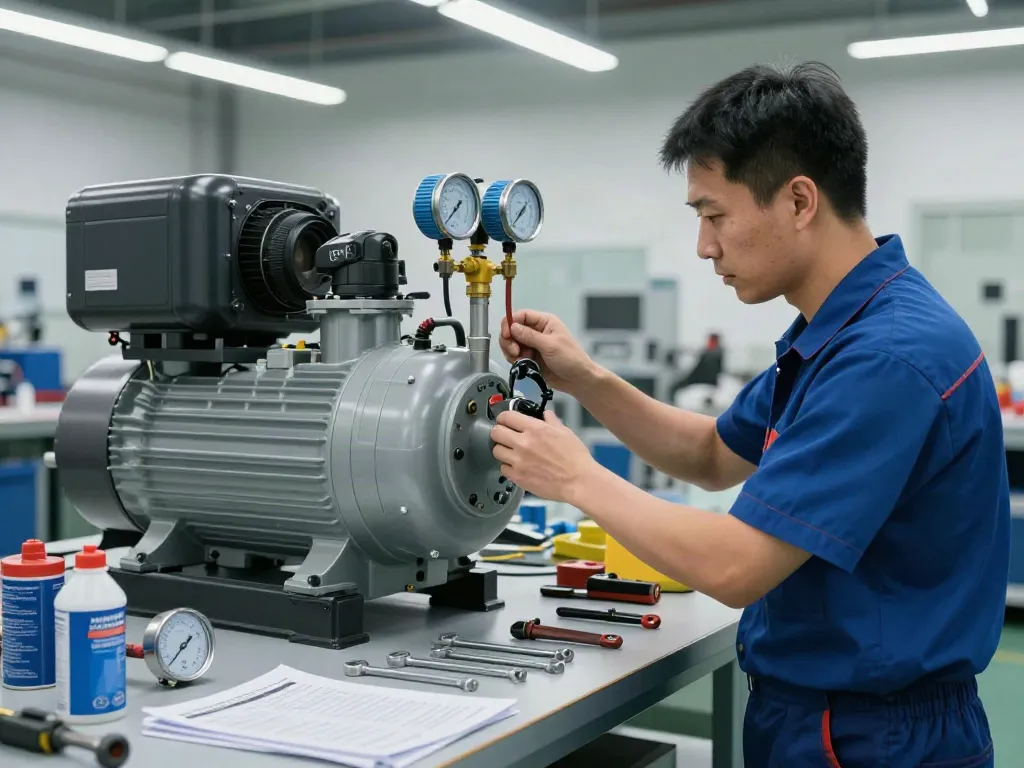
Understanding Air Compressor Pressure Switches
Air compressor pressure switches are essential components in both air compressor systems and water pumping operations. These devices automatically control the electrical motor based on the pressure levels of the system, ensuring optimal performance. In the context of high-demand industries such as manufacturing, construction, and agriculture, selecting the right air compressor pressure switch can significantly impact both efficiency and safety.
What is an Air Compressor Pressure Switch?
An air compressor pressure switch is a mechanical device that regulates the air compressor's operating pressure. It has two critical functions: it starts the compressor when the pressure drops below a preset level (cut-in pressure) and stops it when the pressure exceeds another preset level (cut-out pressure). This automatic control not only enhances the efficiency of the compressor but also protects the equipment from damage caused by pressure fluctuations.
How Does a Pressure Switch Work?
The pressure switch operates through a diaphragm that reacts to pressure changes within the compressor. As the pressure increases, the diaphragm is pushed against a spring, reaching a threshold that triggers electrical contacts within the switch. This process completes the electrical circuit, allowing the motor to run or to shut off when the desired pressure is achieved. Understanding this mechanism is crucial for troubleshooting and optimizing compressor performance.
Key Specifications and Features to Consider
- Pressure Range: Ensure that the switch can handle the specific PSI requirements of your air compressor.
- Electrical Ratings: Check the voltage and current specifications to ensure compatibility with your system.
- Connector Size: Match the switch's connector size with your existing setup for a seamless integration.
- Durability: Look for industrial-grade materials that can withstand high cycles and harsh environments.
Benefits of High-Quality Pressure Switches
Enhanced Equipment Longevity and Performance
Investing in a high-quality air compressor pressure switch translates to improved longevity of your equipment. High-grade switches typically feature robust construction, which minimizes wear and tear and extends the operational life of compressors. Enhanced performance also means your equipment can operate at peak efficiency, saving energy and reducing operational costs.
Cost-Effectiveness in the Long Run
While high-quality pressure switches may have a higher upfront cost, they prove to be cost-effective over their lifecycle. Fewer replacements and lower maintenance costs lead to significant savings, making them a wise investment for businesses aiming to maintain profitability.
Improved Safety in Operations
Using a reliable pressure switch is critical for ensuring safety in operations. A malfunctioning switch can lead to excessive pressure build-up, posing risks such as explosions or equipment failure. High-quality models offer features such as overload protection and fail-safe mechanisms, ensuring that your operational environment remains safe.
Choosing the Right Pressure Switch for Your Needs
Common Applications and Industry Use Cases
Pressure switches are employed across a range of applications. In manufacturing, they control air pressure for pneumatic tools, while in agriculture, they help regulate the water pressure in irrigation systems. Understanding the specific requirements of your industry can guide you in selecting an appropriate switch.
OEM vs. Aftermarket Pressure Switches
When choosing a pressure switch, it's essential to consider whether you need an OEM (Original Equipment Manufacturer) or an aftermarket option. OEM switches are designed to meet specific equipment standards, while aftermarket switches can offer broader compatibility but may not always meet the same quality benchmarks.
How to Match a Pressure Switch with Your System
Selecting the right pressure switch requires careful consideration of your existing compressor specifications. Begin by determining the cut-in and cut-out pressures needed for your system. Then, identify the correct electrical ratings and connector types for a seamless fit. Consulting with manufacturers or industry specialists can also provide valuable insights.
Challenges and Considerations in Pressure Switch Implementation
Identifying Signs of Failure or Malfunction
Recognizing the symptoms of a failing pressure switch is crucial to maintaining efficient operations. Common indicators of malfunction include erratic compressor behavior, frequent tripping, or failure to start. Regular inspections and testing of the switch can help preempt costly downtime.
Common Mistakes in Selection and Installation
One of the most prevalent mistakes in pressure switch selection is underestimating the required pressure range. Additionally, improper installation can lead to poor performance or equipment damage. Ensuring that installation guidelines are followed and that the right model is selected for the specific application is essential to avoid these pitfalls.
Best Practices for Maintenance and Reliability
Regular maintenance is vital for ensuring the longevity and effectiveness of pressure switches. This can include periodic cleaning, testing of electrical connections, and calibrating the pressure settings. Implementing a routine check-up system can help identify potential issues before they lead to operational failures.
Future Trends in Air Compressor Technology
Innovations in Pressure Switch Design and Functionality
The air compressor industry is witnessing significant innovations in pressure switch technology. Advancements such as digital pressure switches that offer enhanced precision and programmable settings are gaining traction. These innovations enhance operational flexibility and allow for more refined control of compressor functions.
The Role of IoT in Compressor Control Systems
The integration of Internet of Things (IoT) technology is revolutionizing air compressor control systems. Smart pressure switches can now report real-time data on performance metrics, enabling predictive maintenance and reducing downtime. This connectivity allows operators to enhance efficiency and respond rapidly to operational anomalies.
Predictions for the Industry by 2026
Forecasts for the air compressor industry suggest a continued shift towards automation and smart technology. By 2026, we can expect to see a wider adoption of IoT-enabled compressors and pressure switches, driving down operational costs and improving safety measures across multiple sectors.
FAQs
How do I know if my air compressor pressure switch is bad?
Signs of a failing pressure switch can include constant cycling of the compressor, not starting at all, or erratic pressure readings. Regular maintenance checks can help avoid such issues.
How do I adjust an air compressor pressure switch?
Adjusting a pressure switch typically involves locating the adjustment screws for the cut-in and cut-out pressures, then turning them to reach the desired settings. Always refer to the manufacturer's specifications for precise instructions.
Does an air compressor need a pressure switch?
Yes, a pressure switch is essential for regulating the compressor's operation. It maintains the set pressure levels, ensuring efficient and safe functioning of the system.
How to reset the compressor pressure switch?
To reset a pressure switch, look for a reset button on the unit. If there is no button, manually turn off the compressor, wait for a few seconds, and then restart it.
What are the signs of a failing pressure switch?
Common signs include fluctuating pressures, compressor failure to operate, or unexpected shut-offs. Identifying these symptoms early can prevent major operational disruptions.