
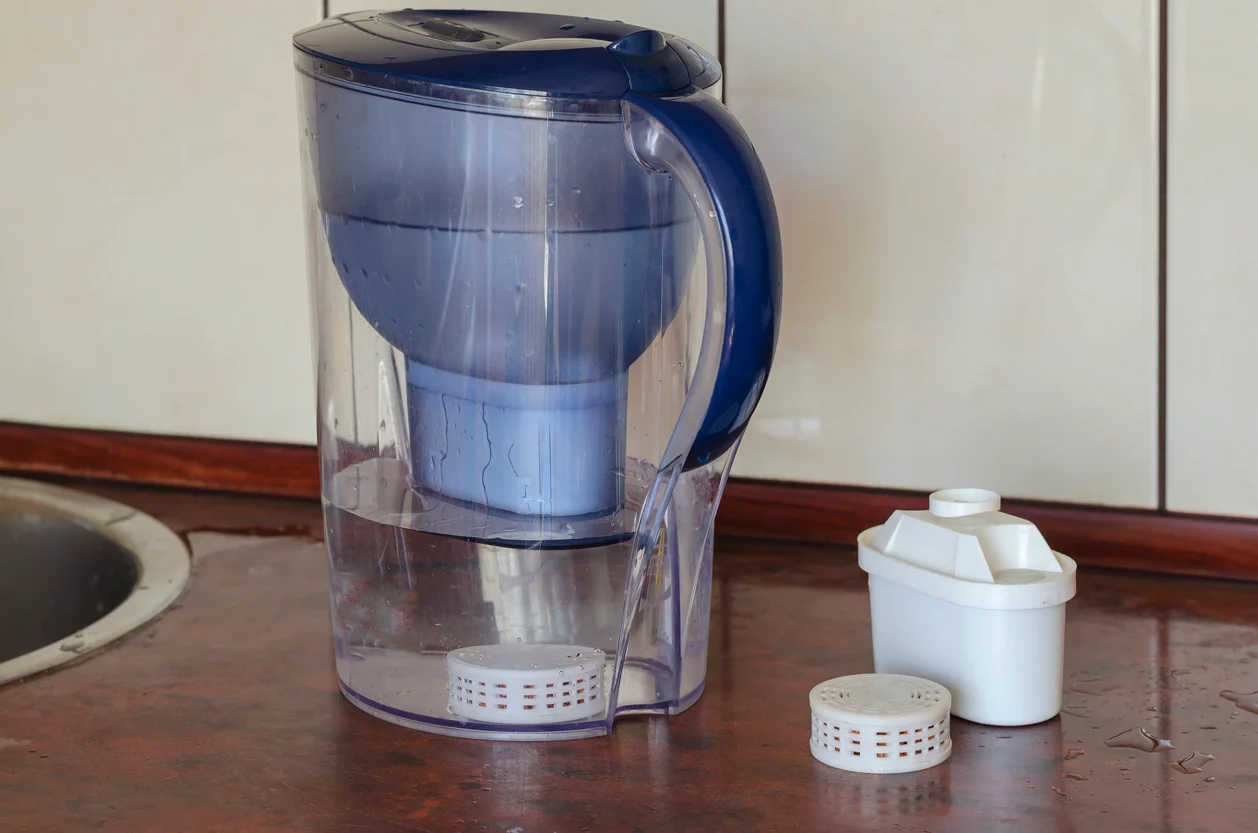
Choosing a water filter for your home can be confusing with so many options on the market. Two of the most popular brands are pur or brita. Both promise cleaner, better-tasting water, but which one is truly the best? This guide dives deep into the features, performance, and real-life use of Pur and Brita to help you make an informed decision.
Understanding Pur and Brita
What Makes Pur Unique
Pur water filters are known for their advanced filtration systems. They use activated carbon and ion-exchange technology to remove a wide range of contaminants, including lead, mercury, and certain chemicals. Some Pur models also include antimicrobial protection to reduce bacterial growth.
In practical terms, this means if your tap water contains heavy metals or chemical pollutants, Pur filters may do a better job of providing safer drinking water.
What Makes Brita Stand Out
Brita filters primarily focus on improving taste and reducing chlorine, as well as some heavy metals like lead. They use activated carbon and an ion-exchange resin similar to Pur but generally have fewer certifications for removing a wide range of contaminants.
Brita is often praised for its user-friendly design, easy-to-replace cartridges, and affordable options. For households mainly concerned about taste and odor, Brita is a solid choice.
Filtration Performance
Pur Filtration Capabilities
Pur filters are designed to remove over 70 contaminants. Some of the key substances they target include:
- Lead
- Mercury
- Chlorine
- Certain pesticides and industrial chemicals
Pur’s lead-reduction feature is particularly valuable for homes with older plumbing or in regions where lead contamination is a concern.
Brita Filtration Capabilities
Brita filters remove fewer contaminants compared to Pur, focusing on:
- Chlorine for taste and odor improvement
- Some heavy metals like lead
- Copper and cadmium in certain models
While Brita is effective for improving water flavor, it may not be as thorough as Pur in reducing all harmful substances.

Ease of Use and Maintenance
Pur User Experience
Pur pitchers and faucet filters are generally easy to use but may require slightly more effort in maintenance. Filters need replacement every 3 to 6 months depending on usage. Some models have electronic filter life indicators to simplify the process.
Brita User Experience
Brita is known for convenience. Most pitchers have a simple push-to-fill design and easy-to-read filter replacement indicators. Brita filters also need changing every 2 to 6 months depending on water usage, making it a low-maintenance option for busy households.
Cost Comparison
Initial Purchase Price
- Pur: Typically ranges from $25 to $60 depending on the model. Faucet filters may cost more initially.
- Brita: Generally ranges from $20 to $50, making it slightly more affordable upfront.
Long-Term Costs
Replacement filters can impact overall cost:
- Pur replacement filters: Around $25 to $35 for a pack of three.
- Brita replacement filters: Around $15 to $25 for a pack of three.
Over time, Brita can be slightly cheaper, but Pur’s enhanced filtration may justify the higher price for those prioritizing water safety.
Design and Aesthetics
Pur and Brita both offer sleek, modern designs that fit most kitchens. Pur models often have more premium-looking finishes and digital indicators, while Brita focuses on simplicity and lightweight pitchers that are easy to handle.
Environmental Considerations
Both brands offer recyclable filters and reduce reliance on bottled water. Brita has a dedicated recycling program for its filters, making it easier for eco-conscious users to dispose of them responsibly. Pur also participates in recycling initiatives, but availability may vary by region.
Real-Life Use: Which One Feels Better?
Many families report that Pur provides noticeably cleaner water when it comes to tap water with heavy metals or chemical residues. On the other hand, Brita is often praised for improving taste and reducing chlorine odor without adding complexity.
For example, a household with older pipes in an urban area might benefit more from Pur, while a family primarily concerned with taste in a suburban area might find Brita sufficient.
Pur or Brita for Different Needs
- Best for heavy metal removal: Pur
- Best for taste and odor: Brita
- Best for budget-conscious users: Brita
- Best for families with older plumbing: Pur
- Best for easy maintenance: Brita
Making the Decision: Pur or Brita
Choosing between Pur and Brita ultimately depends on your priorities. If your main concern is eliminating a wide range of contaminants, Pur is the superior option. If you prioritize taste, convenience, and lower cost, Brita is a reliable choice.
Think of it like buying shoes: one pair might be the best for running long distances (Pur), while another is perfect for casual walks and comfort (Brita). Knowing your specific needs will guide you toward the right filter.
Tips for Maximizing Your Water Filter
- Replace filters on schedule to maintain performance.
- Keep pitchers and faucet attachments clean to prevent bacteria growth.
- Use cold water for filtration; hot water can damage filters.
- Monitor your water source’s quality to choose the best filter type.
Filtration Effectiveness: Pur or Brita
How Pur Handles Contaminants
Pur filters use advanced activated carbon and ion-exchange technology to remove heavy metals, chlorine, and other harmful substances. When comparing pur or brita, Pur generally provides superior filtration for households concerned about lead or chemical pollutants.
How Brita Compares in Filtration
Brita focuses on improving taste and reducing chlorine, with some capability to remove heavy metals. For families mainly focused on water flavor, the pur or brita debate often leans toward Brita due to its simpler filtration approach.
Ease of Use and Maintenance: Pur or Brita
Maintaining Your Pur Filter
Pur filters require regular maintenance every 3–6 months. Many models feature electronic filter life indicators, making the pur or brita discussion easier for those who want automated reminders for replacements.
Maintaining Your Brita Filter
Brita pitchers and faucet filters are designed for easy use. Replacement filters are simple to install, and the pur or brita question often comes down to whether you prefer convenience over advanced filtration.
Cost and Value: Pur or Brita
Upfront Cost Comparison
When evaluating pur or brita, Brita typically comes at a lower initial price point, making it attractive for budget-conscious users. Pur filters, while slightly more expensive, offer advanced filtration benefits.
Long-Term Cost Considerations
Replacement filters impact overall value. A household comparing pur or brita should factor in long-term costs. Pur filters are pricier, but their extensive contaminant removal may justify the expense for some families.
Design and Aesthetics: Pur or Brita
Pur Filter Design
Pur pitchers and faucet systems often have a modern, premium look. When deciding between pur or brita, design-conscious buyers may appreciate Pur’s sleek finishes and digital indicators.
Brita Filter Design
Brita prioritizes lightweight, user-friendly designs. In the pur or brita debate, Brita’s simplicity and practicality make it ideal for families wanting hassle-free water filtration without extra features.
Real-Life Usage Experience: Pur or Brita
Household Scenarios Favoring Pur
Families with older pipes or tap water high in contaminants often see the benefits of choosing Pur. In real-world use, the pur or brita conversation usually tips toward Pur for those seeking maximum safety.
Household Scenarios Favoring Brita
For households mainly concerned with taste and ease of use, Brita often wins. Comparing pur or brita, users frequently choose Brita for its straightforward setup and reliable flavor improvement.
Pur or Brita: Final Verdict
After comparing filtration performance, ease of use, cost, and environmental impact, it’s clear that both Pur and Brita have their strengths. Pur excels in thorough filtration and safety, while Brita shines in affordability and taste enhancement. The right choice depends on your household’s water quality and daily needs.
For those who want maximum protection against contaminants, go with Pur. For those seeking taste, convenience, and budget-friendly options, Brita is a solid pick. Either way, both brands offer a substantial improvement over unfiltered tap water, making either a smart investment for your health. Explore our homepage now to stay ahead in the digital world.
FAQs
Which is better for lead removal: Pur or Brita?
Pur is generally more effective at removing lead from water. It uses advanced filtration technology certified to reduce higher levels of lead, making it ideal for households with older plumbing.
Are Pur or Brita filters environmentally friendly?
Both brands offer recyclable filters. Brita has a more accessible recycling program for its filters, while Pur participates in recycling initiatives that may vary by location.
How often should I replace Pur or Brita filters?
Both filters typically need replacement every 2 to 6 months, depending on water usage. Pur often lasts slightly longer, but checking the filter life indicator ensures optimal performance.