
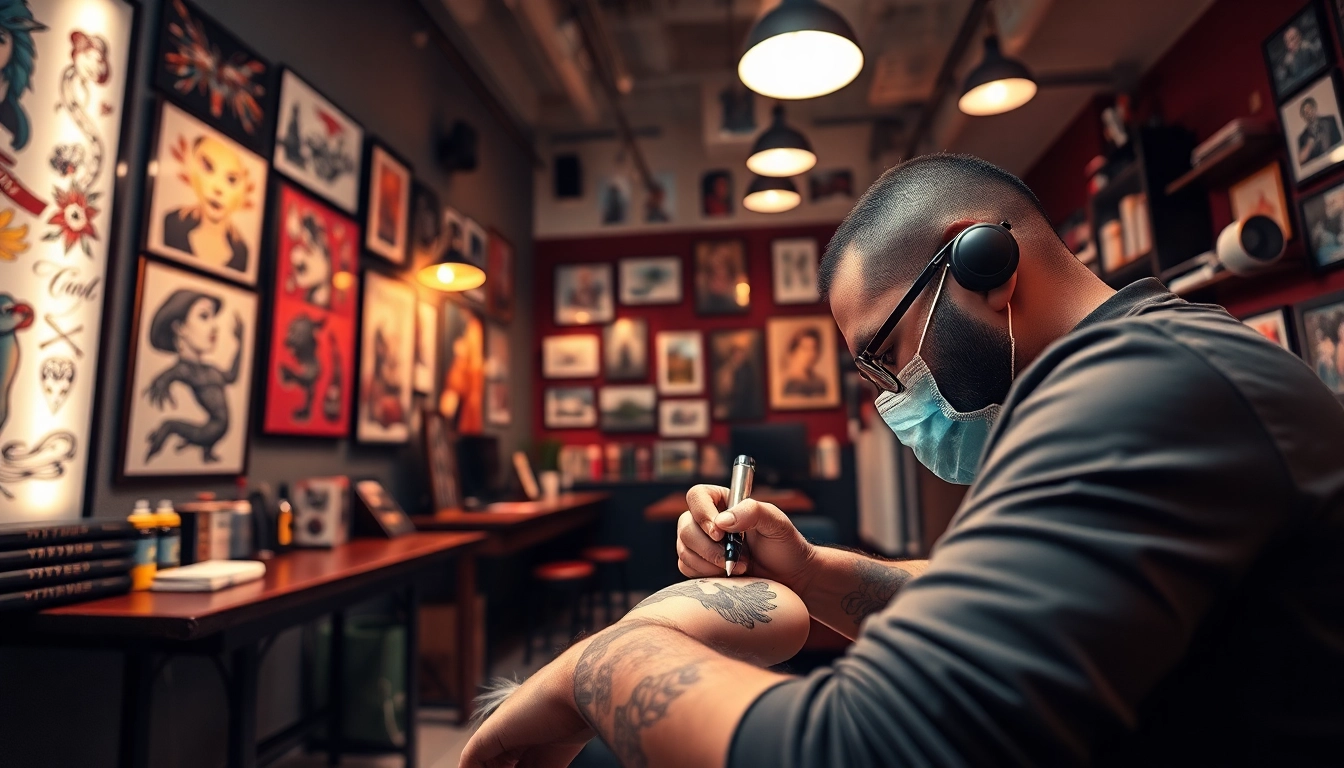
Understanding the Foundation of Tattoo Art
Tattoo art has transcended its origins, evolving from a form of tribal identity to an expressive art medium celebrated around the globe. This intricate blend of history, culture, and personal storytelling creates a rich tapestry that any aspiring tattoo artist should appreciate. As we delve into the foundational elements of tattoo artistry, we will explore its historical context, essential tools, and vital knowledge of skin anatomy. For those serious about developing their skills, engaging with reputable platforms like https://89bet.tattoo/ can provide invaluable insights into this vibrant industry.
The History of Tattooing: From Ancient to Modern Techniques
The art of tattooing dates back thousands of years, with the earliest known tattoos found on the mummified remains of Ötzi the Iceman, created around 3300 BC. Cultures across the world have adopted tattooing for various reasons, from rites of passage to spiritual protection. In ancient Egypt, tattoos served as a status symbol, while in Polynesian cultures, intricate designs represented lineage and tribal affiliation. The revival of tattooing in Western societies can be traced back to sailors in the 18th century, who brought the art from the South Pacific back to Europe. Today, tattooing is recognized as both a fine art and a form of personal expression, encompassing a wide range of styles from traditional to modern abstract forms.
Choosing the Right Equipment for Tattooing Success
Investing in the proper tattoo equipment is essential for any artist aiming to achieve quality work. The basic tools include a tattoo machine, needles, inks, and cleaning supplies. Understanding the various types of machines—rotary, coil, or pen-style—can affect the outcome of your tattoos. Moreover, high-quality inks can offer vibrant color and longevity, essential aspects for client satisfaction. New artists should consider starting with a kit that includes all necessary equipment, while experienced professionals may prefer custom setups tailored to their style. Regular maintenance of your tools will ensure they perform optimally and help produce stunning artwork.
Understanding Skin Anatomy and Tattooing Basics
A fundamental aspect of tattooing involves a strong grasp of skin anatomy. The skin consists of three layers: the epidermis, dermis, and subcutaneous layer. Understanding how needles penetrate the skin at the right depth ensures the ink settles properly and the tattoo heals effectively. Knowledge of skin types and how they react to ink can also help artists adjust their techniques for different clients. Furthermore, skin elasticity and pigmentation can significantly influence the appearance of the final tattoo. By mastering these basics, tattoo artists can avoid common pitfalls and ensure their designs remain vibrant for years to come.
Mastering Tattoo Techniques
Once the foundational knowledge is established, aspiring tattoo artists must focus on mastering various tattoo techniques. This includes exploring innovative styles, honing shading methods, and employing advanced color mixing techniques to enhance their portfolio. Furthermore, safety protocols are crucial to protect both the artist and client during the tattooing process.
Innovative Styles: Exploring Various Tattoo Genres
The world of tattoo artistry is diverse and continually evolving. From traditional American and Japanese styles to contemporary abstract and watercolor tattoos, each genre carries unique characteristics that appeal to different audiences. Artists should explore various styles to develop a signature look while also being adaptable to client requests. Keeping up with current trends and popular designs can help artists stay relevant in a competitive market.
Advanced Techniques: Shading, Color Mixing, and More
Mastering shading and color blending is essential for creating depth and dimension in tattoos. Techniques such as stippling, wet-on-wet shading, and gradient color transitions can transform a flat image into a lifelike design. Understanding how different colors interact on the skin and how they may fade over time is crucial for achieving long-lasting results. Continuous practice and experimentation with techniques on practice skin can help artists refine their skills and develop a unique style.
Safety Protocols in Tattooing: Best Practices for Artists
Safety is paramount in the tattooing industry. Artists should adhere to strict hygiene practices, including the use of disposable gloves, sterilizing equipment, and maintaining a clean workstation. Understanding bloodborne pathogens and proper waste disposal methods is essential for ensuring a safe environment for clients. Regularly participating in training on infection control and first-aid techniques can further enhance an artist's competency and reassure clients about their safety.
Building Your Tattoo Portfolio
Creating a standout portfolio is critical for showcasing your skills and attracting new clients. A well-curated portfolio not only demonstrates your versatility but also reflects your style and artistic voice.
Essential Elements for a Standout Portfolio
When building a portfolio, artists should include high-resolution photographs of their best work, focusing on a range of styles and techniques. It’s essential to showcase not just the finished tattoos but also the processes involved, from sketches to healed results. Consistency in presentation—using similar backgrounds and lighting—can enhance the overall impact. Including testimonials from satisfied clients can also help establish credibility and attract new business.
How to Market Your Tattoo Art Effectively
Marketing is crucial in establishing a successful tattoo career. Social media platforms like Instagram and TikTok allow artists to showcase their work and connect with potential clients. Engaging content, such as time-lapse videos of tattoo sessions or behind-the-scenes glimpses into the tattooing process, can increase visibility. Additionally, collaborating with local businesses or participating in tattoo conventions can also enhance exposure and help build a reputable brand.
Networking and Collaborations in the Tattoo Community
Building relationships within the tattoo community can lead to opportunities for collaboration and growth. Attending conventions, workshops, and art shows not only allows artists to gain inspiration but also to connect with other professionals. Engaging in this community fosters an environment of support and shared knowledge, which can significantly enhance an artist's skills and opportunities for professional advancement.
Client Relationships and Experiences
Creating positive experiences for clients is essential for building a loyal customer base. Strong interpersonal skills and a genuine understanding of client needs are key components in fostering lasting relationships.
Consultation Techniques: Understanding Client Needs
The initial consultation is crucial in establishing rapport with clients. Listening to their ideas and preferences while offering professional input can lead to a successful design. Artists should ask open-ended questions to encourage clients to share their vision, which helps in tailoring the artwork to their expectations. Be prepared to provide sketches or references that align with their ideas, ensuring they feel involved in the process.
Creating Comfortable Environments for Clients
Ensure that your studio is welcoming and comfortable for clients. This includes clean, well-organized spaces with a relaxing atmosphere. Providing amenities such as refreshments and entertainment can enhance the client's experience. Additionally, explaining the tattooing process and what they can expect during the session can help alleviate any anxiety they may have.
Aftercare: Ensuring Client Satisfaction Post-Tattoo
Aftercare is essential for ensuring the longevity of the tattoo and the satisfaction of the client. Providing clear instructions on how to care for the tattoo during the healing process is crucial. Offering follow-up consultations or check-ins can also demonstrate a commitment to client satisfaction, encouraging repeat business and referrals. Educating clients about how their skin type may affect healing can further personalize their experience.
The Future of Tattooing: Trends and Innovations for 2026
As we look toward 2026 and beyond, the tattoo industry continues to evolve with emerging technologies and cultural shifts that shape tattoo artistry.
Emerging Technologies in Tattooing
Advancements in technology will significantly impact tattooing in the coming years. Innovations such as digital tattooing tools and AI-assisted design software are transforming how artists conceptualize and execute their work. Moreover, the integration of augmented reality (AR) is allowing clients to visualize tattoo concepts on their skin before making a commitment, enhancing the decision-making process.
Expanding Cultural Perspectives in Tattoo Art
With tattooing gaining acceptance in various cultures, artists will have more opportunities to explore diverse styles and techniques. This cultural exchange can lead to unique fusions of traditional and contemporary designs, enriching the global tattoo landscape. Artists who embrace diversity and inclusivity will find themselves at the forefront of these trends, attracting a broader clientele.
Preparing for Changes in Tattoo Regulations and Standards
As the tattoo industry grows, so will the regulations surrounding it. For more information, Đăng ký 89bet offers valuable insights. Artists must stay informed about local laws regarding health standards, licensing, and ethical practices. Engaging in ongoing education around these regulations will not only ensure compliance but will also position tattoo artists as reputable professionals within the industry.