In today’s world, ensuring the safety of your home is no longer optional but essential. Homeowners increasingly recognize that home security goes beyond installing a single system or camera. The integration of smart devices, sensors, locks, and surveillance tools can significantly enhance protection and peace of mind. By understanding the best Home Security accessories, homeowners can create a robust security ecosystem that deters intruders, prevents accidents, and safeguards loved ones.
Investing in the right home security accessories can also complement existing security systems, turning a standard setup into a comprehensive defense network. From advanced surveillance cameras to smart locks and environmental sensors, each accessory plays a pivotal role in strengthening your home’s safety.
Understanding the Importance of Home Security Accessories
While primary security systems such as alarms or cameras provide foundational protection, accessories elevate the effectiveness of these systems. Home security accessories serve multiple purposes: they can fill coverage gaps, enhance monitoring capabilities, and provide real-time alerts for unusual activity. The integration of such devices allows homeowners to respond proactively to potential threats rather than reactively.
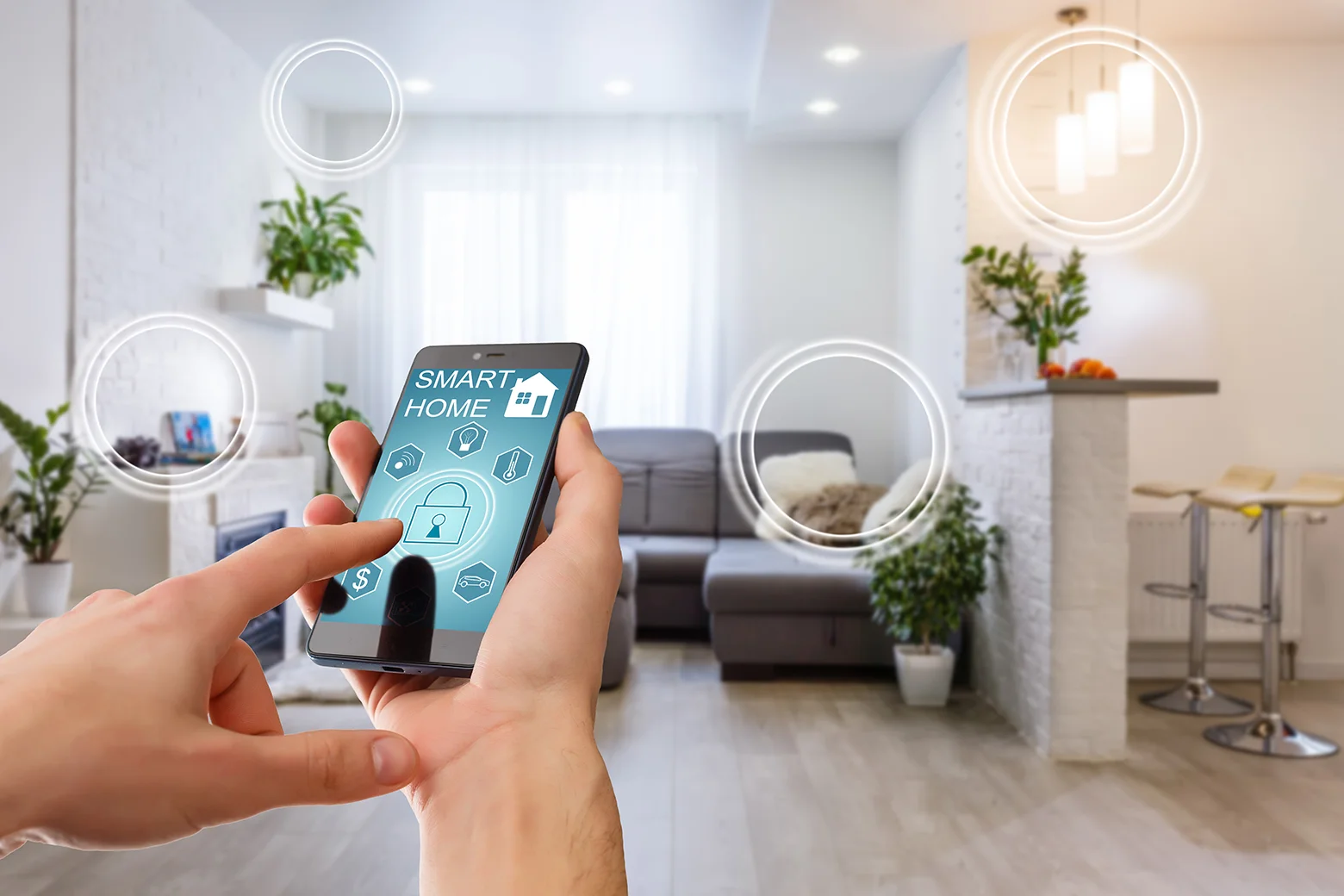
Moreover, modern home security accessories are often designed to integrate seamlessly with smart home ecosystems, allowing for centralized control via smartphones or dedicated apps. This interconnectedness not only improves efficiency but also ensures that every corner of your home receives attention.
Surveillance Cameras: Eyes Around the Home
One of the most critical home security accessories is the surveillance camera. These devices offer continuous monitoring, deterring potential intruders and providing valuable evidence in case of incidents. Modern cameras are no longer limited to basic recording; they now feature high-definition video, night vision, motion detection, and two-way audio.
Strategically placing cameras at entry points such as doors, windows, and garages ensures comprehensive coverage. Outdoor cameras are designed to withstand weather conditions, while indoor cameras can be discreetly installed to monitor sensitive areas like living rooms, hallways, or nurseries. Many homeowners prefer cameras that integrate with smart home platforms, enabling remote monitoring and instant alerts.
Advanced features, such as artificial intelligence-driven recognition, can differentiate between humans, animals, and other movements, reducing false alarms and improving overall efficiency. For homeowners seeking maximum security, combining indoor and outdoor cameras ensures a full-circle surveillance system.
Smart Locks: Controlling Access Efficiently
Smart locks have transformed the way homeowners approach home security. Unlike traditional locks, smart locks provide controlled access through keyless entry, mobile apps, or biometric recognition. These devices allow homeowners to grant temporary access to family members, friends, or service providers without compromising safety.
Additionally, smart locks often include features such as auto-locking, tamper alerts, and integration with security systems. This means that if a forced entry attempt occurs, the smart lock can trigger alarms or notify the homeowner instantly. Beyond security, smart locks enhance convenience, eliminating the risk of lost keys and enabling remote management of home access.
Door and Window Sensors: First Line of Defense
While cameras and locks provide monitoring and access control, door and window sensors act as an early warning system. These home security accessories detect unauthorized openings and immediately trigger alerts or alarms. Modern sensors can also detect vibrations or forced entries, providing an extra layer of protection.
Sensors are particularly effective when combined with central alarm systems, as they ensure rapid response in case of breaches. Whether placed on front doors, garage doors, or ground-floor windows, these devices are essential in creating a proactive home security strategy.
Motion Detectors: Detecting Unseen Threats
Motion detectors are indispensable for comprehensive home security. These devices sense movement within a designated area and trigger alarms or notifications if unexpected motion is detected. Some advanced models use infrared technology or heat sensors to distinguish between humans, pets, and inanimate objects, significantly reducing false alarms.
Integrating motion detectors with lighting systems or cameras can create an automated defense network. For example, when motion is detected near an entry point, exterior lights can activate, and cameras can begin recording immediately. This combination not only enhances deterrence but also provides actionable insights for homeowners.
Smart Doorbells: Real-Time Monitoring and Communication
Smart doorbells have become increasingly popular as a versatile home security accessory. These devices combine video surveillance with two-way communication, allowing homeowners to see, hear, and speak to visitors remotely. Whether addressing delivery personnel or deterring potential intruders, smart doorbells offer both convenience and protection.
Modern smart doorbells often include motion alerts, facial recognition, and cloud storage for video recordings. They integrate seamlessly with other home security devices, ensuring that homeowners remain informed about activity at their doorstep at all times.
Environmental Sensors: Protecting Against More Than Intruders
While many home security accessories focus on preventing break-ins, environmental sensors protect homes from natural hazards and accidents. Smoke detectors, carbon monoxide detectors, and water leak sensors detect threats before they escalate, ensuring safety and minimizing damage.
Advanced models integrate with smart home platforms, sending alerts directly to mobile devices and triggering connected systems such as alarms or ventilation. Environmental sensors are critical in creating a holistic home security setup that safeguards both occupants and property.
Security Lighting: Deterring Criminal Activity
Proper lighting is a subtle yet highly effective home security accessory. Outdoor lighting, especially when combined with motion sensors, can deter potential intruders by eliminating dark hiding spots. Strategically illuminated pathways, driveways, and entry points signal that the property is actively monitored.
Smart lighting systems can simulate occupancy when homeowners are away, turning lights on and off automatically to create the appearance of activity. This simple yet effective strategy enhances overall security without requiring constant human intervention.
Alarm Systems: Centralized Protection
While individual accessories provide targeted protection, alarm systems serve as the central hub of home security. Modern alarm systems integrate cameras, sensors, locks, and environmental detectors, providing a cohesive defense mechanism. When a breach occurs, the system triggers audible alarms, mobile alerts, and, in some cases, contacts emergency services.
Customization is a key advantage of modern alarm systems. Homeowners can tailor alerts, response protocols, and device integration to suit their unique property layout and lifestyle. This flexibility ensures that all home security accessories work harmoniously to maximize protection.
Smart Home Integration: Unified Security Control
The true power of home security accessories emerges when devices are integrated into a unified smart home ecosystem. Smart hubs and mobile apps allow homeowners to monitor and control multiple devices simultaneously, enhancing situational awareness and response efficiency.
Integration enables automation scenarios such as locking doors when cameras detect motion, triggering alarms when sensors detect unusual activity, or activating lights in response to environmental alerts. This interconnected approach transforms isolated devices into a proactive security network, providing comprehensive protection with minimal effort.
Choosing the Right Accessories for Your Home
Selecting the ideal home security accessories requires a careful assessment of your property, lifestyle, and specific security needs. Begin by evaluating high-risk areas such as entry points, ground-level windows, and garages. Consider factors like the size of your property, the presence of pets, and your preferred level of automation.
Quality and compatibility are critical. Opt for devices from reputable manufacturers and ensure seamless integration with existing systems. While cost is a consideration, investing in reliable, feature-rich accessories can prevent expensive damage or loss in the future. Finally, professional installation may be advisable for complex setups, ensuring optimal performance and longevity of your home security accessories.
Maintaining Your Home Security Accessories
Installing the right accessories is only half the battle; proper maintenance is equally vital. Regularly test cameras, locks, sensors, and alarms to ensure functionality. Update firmware and software to benefit from the latest security enhancements and bug fixes. Replace batteries or power sources as needed to prevent device failure.
Periodic assessment of your home security setup allows you to identify gaps or vulnerabilities. As technology evolves, upgrading devices and integrating new accessories can enhance protection and adapt to emerging threats. A well-maintained security system is a long-term investment in peace of mind and safety.
Conclusion
Enhancing home safety goes beyond installing a basic alarm system. By strategically incorporating home security accessories such as cameras, smart locks, sensors, motion detectors, smart doorbells, environmental monitors, and lighting, homeowners can build a proactive, intelligent defense system. These devices not only deter intruders but also provide actionable insights, prevent accidents, and integrate seamlessly with modern smart home technology.
Investing in high-quality home security accessories and maintaining them diligently ensures that your home remains a safe haven. In a world where security challenges continue to evolve, a well-planned and comprehensive approach to home protection is essential for safeguarding property and loved ones. For more insights, head over to our main site.
Frequently Asked Questions (FAQs)
What are the must-have home security accessories for every home?
The essential home security accessories include surveillance cameras, smart locks, door and window sensors, motion detectors, smart doorbells, environmental sensors, and security lighting. These devices provide comprehensive coverage, deter intruders, and integrate with modern smart home systems for real-time monitoring.
Can smart locks really improve home security?
Yes, smart locks enhance security by offering keyless entry, remote access management, tamper alerts, and auto-locking features. They allow homeowners to control who enters the home and provide instant notifications in case of unauthorized access attempts, improving overall safety.
How do motion detectors contribute to home protection?
Motion detectors detect movement in designated areas and trigger alerts or alarms for potential intrusions. Advanced models can distinguish between humans, animals, and objects, reducing false alarms. When integrated with cameras and lighting, they create a proactive deterrent system.
Are environmental sensors necessary for home security?
Absolutely. Environmental sensors such as smoke detectors, carbon monoxide detectors, and water leak sensors protect against natural hazards and accidents. These devices provide early warnings, prevent damage, and safeguard occupants alongside traditional home security measures.
How can I integrate all my home security accessories effectively?
Integration is achieved through smart home hubs and apps that connect cameras, locks, sensors, alarms, and lighting into a unified system. This allows centralized monitoring, automation of responses to alerts, and seamless coordination between devices, ensuring optimal security and convenience.