Understanding Leak Detection: The Basics
Leak detection is an essential service for homeowners, providing peace of mind and protecting properties from potential water damage. It involves identifying and locating leaks within plumbing systems—whether they are behind walls, under floors, or in outdoor piping. This article will delve deep into the fundamentals of leak detection, its importance, and the various types of leaks commonly found in homes. When exploring options, leak detection services like The Leak Hunter offer comprehensive insights and solutions to safeguard your residence.
What is Leak Detection?
Leak detection refers to the procedures and technologies used to identify and locate leaks in plumbing systems. This includes both water and gas leaks, which can have serious implications if left unattended. The methods used in leak detection vary widely, ranging from traditional visual inspections to advanced technological solutions that can pinpoint leaks with high accuracy.
Importance of Timely Leak Detection
Detecting leaks promptly is crucial for several reasons. Firstly, leaks can lead to significant structural damage if not addressed quickly, resulting in costly repairs and potential safety hazards. Secondly, undetected leaks contribute to increased water bills and can cause mold growth, which poses health risks to occupants. By using professional leak detection services, homeowners can mitigate these risks and protect their investments.
Common Types of Leaks Found in Homes
Homes can experience various types of leaks, including:
- Water Supply Leaks: Found in hot and cold water supply lines, these leaks can occur due to corrosion, joint failure, or excessive pressure.
- Heating System Leaks: Often hidden within walls or floors, leaks in heating systems can lead to inefficient heating and increased energy costs.
- Gas Leaks: Highly dangerous, these leaks require immediate attention to prevent fires or explosions.
- Drainage Leaks: Typically more difficult to detect, drainage leaks can lead to slow drains and water pooling around the property.
Advanced Technologies in Leak Detection
As the field of leak detection evolves, so do the technologies used to identify and resolve issues effectively. Here, we explore some of the most advanced techniques currently employed in the industry.
How Thermal Imaging Works to Find Leaks
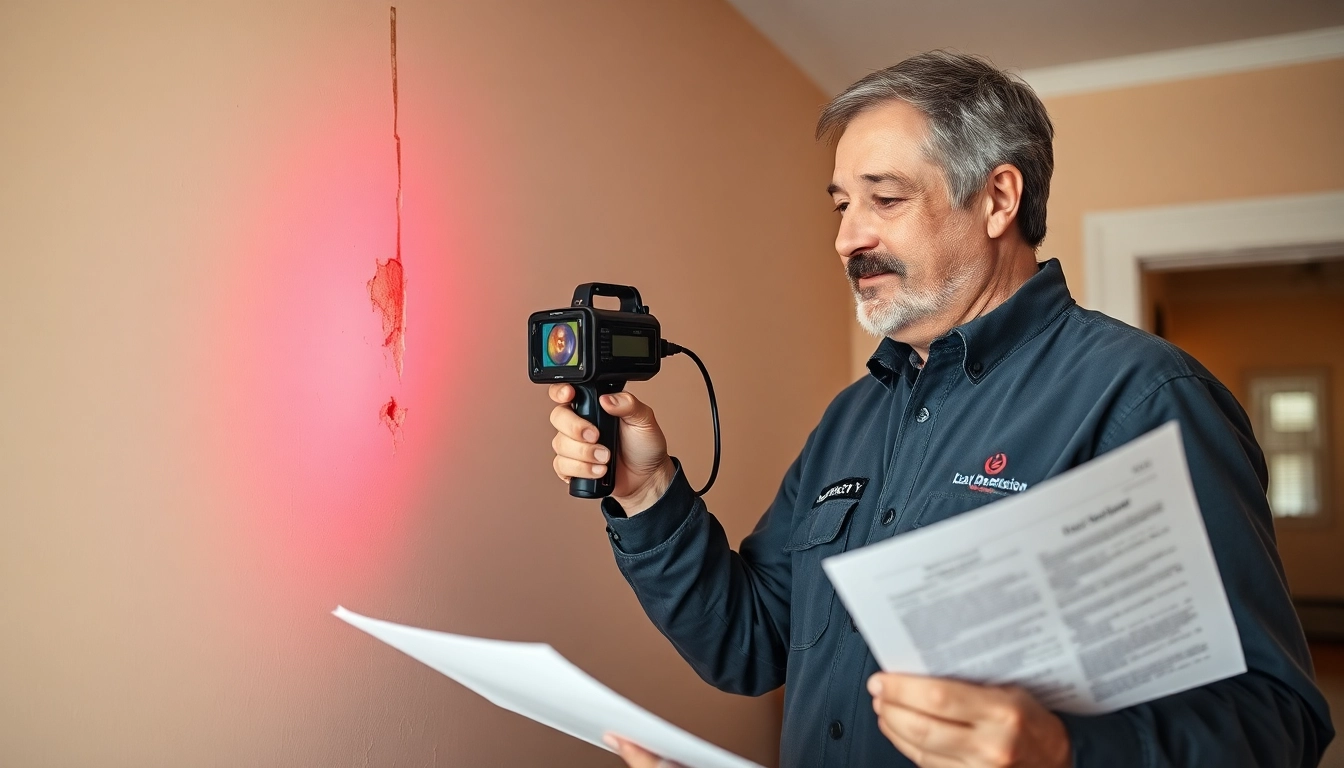
Thermal imaging technology uses infrared cameras to detect temperature variations resulting from leaks. When water leaks from a pipe, it often creates a temperature differential that can be observed through thermal imaging. This method allows technicians to identify leaks without invasive methods, protecting the integrity of your home.
Acoustic Detection Techniques Explained
Acoustic detection involves using specialized microphones to listen for the sounds of water escaping from pipes. This technology is particularly effective for detecting underground leaks or those hidden behind walls. Trained technicians can differentiate between normal sounds and those indicative of a leak, allowing for targeted investigations.
Benefits of Using Tracer Gas for Leak Detection
Tracer gas detection is one of the most reliable methods for locating small leaks in pressurized systems. A safe, odorless gas is introduced into the piping system, and technicians use sensitive detectors to trace its escape point. This method is invaluable for identifying leaks in hard-to-reach places and is particularly effective for gas lines.
Choosing the Right Leak Detection Service
With numerous leak detection companies available, selecting the right one can significantly impact the effectiveness and efficiency of the solution provided. Here are some critical factors to consider.
What to Look for in a Leak Detection Specialist
When evaluating potential leak detection specialists, homeowners should consider the following:
- Certifications and Qualifications: Ensure that the technicians are certified and have the necessary training in leak detection technologies.
- Experience: Companies with a proven track record are more likely to deliver reliable and effective services.
- Non-invasive Techniques: Opt for professionals who use modern, non-invasive methods to minimize disruption to your property.
Questions to Ask Before Hiring Professionals
Prior to hiring a leak detection service, it’s important to ask questions that clarify their methods and expertise:
- What technologies do you use for leak detection?
- Do you offer a guarantee on your findings?
- How quickly can you respond to an emergency call?
Understanding Cost Factors in Leak Detection
The cost of leak detection services can vary based on several factors:
- Type of Leak: Some leaks may require more advanced detection methods, impacting the overall cost.
- Accessibility: Leaks that are harder to reach will typically increase labor costs.
- Geographic Location: Service prices may fluctuate based on local market conditions.
DIY Leak Detection Techniques for Homeowners
While professional leak detection services are often the most effective, homeowners can take certain steps to identify leaks in their properties. Here are some practical DIY techniques.
How to Identify Signs of Water Leaks
Homeowners should remain vigilant for signs of potential leaks, such as:
- Unexplained increases in water bills.
- Visible water stains on walls or ceilings.
- Signs of mold growth or dampness.
Using Tools for Simple Leak Detection
For simple leak identification, homeowners can utilize tools such as:
- Moisture Meters: These devices measure moisture levels in walls and floors, helping indicate hidden leaks.
- Water Pressure Gauges: A sudden drop in water pressure may signal a leak somewhere in the system.
When to Call a Professional
If DIY methods indicate a leak, or if there are significant signs of water damage, it is advisable to contact a professional leak detection service. Problems such as gas leaks or large water leaks require immediate attention from qualified technicians to ensure safety.
Future Trends in Leak Detection
The leak detection industry is poised for transformation driven by advancements in technology and a growing emphasis on sustainability. Here are some trends to watch in the coming years.
Innovations in Leak Detection Technologies for 2025
As technology evolves, leak detection methods will become increasingly sophisticated. Innovations such as artificial intelligence (AI) and machine learning will enhance the accuracy of leak detection systems, enabling predictive maintenance and automated reporting of leak events.
The Role of Smart Home Devices in Leak Detection
Smart home technology is rapidly integrating into leak detection systems, allowing homeowners to receive real-time alerts about leaks through their smartphones. Devices such as smart water monitors can detect leaks and shut off water supply automatically, significantly minimizing damage.
Predictions for the Future of Leak Detection Services
Looking ahead, the future of leak detection services will likely see increased use of eco-friendly and sustainable practices, along with an emphasis on providing comprehensive service packages that address not just detection but also prevention and maintenance of plumbing systems.