
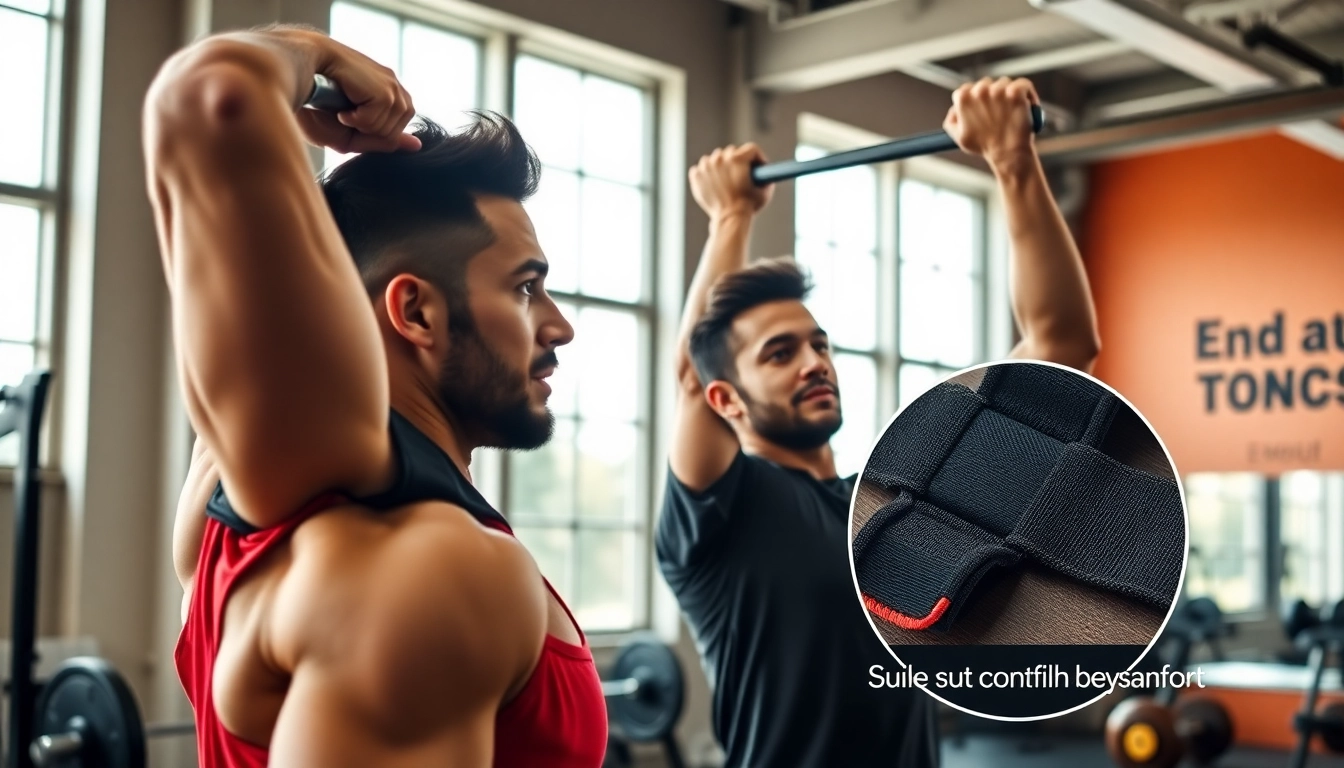
Understanding the Importance of Shoulder Braces in Weightlifting
Weightlifting is a demanding physical activity that requires strength, precision, and optimal body mechanics. Among the many tools that athletes utilize to enhance performance and prevent injuries, shoulder braces play a pivotal role. These supportive devices not only stabilize the shoulder joint but also allow for safer lifts during training and competition. When exploring options, shoulder brace for weightlifting provides comprehensive insights into the right support for athletes at all levels.
What is a Shoulder Brace for Weightlifting?
A shoulder brace for weightlifting is a device designed to provide support to the shoulder joint during lifting activities. It is typically made of breathable materials and features adjustable straps to ensure a snug fit. The brace stabilizes the shoulder, providing essential compression and support that can help prevent injuries or alleviate existing conditions.
Benefits of Using a Shoulder Brace During Workouts
- Injury Prevention: By stabilizing the shoulder joint, a shoulder brace helps reduce the risk of injuries such as strains or sprains.
- Pain Management: Many athletes suffer from chronic shoulder pain; wearing a brace can alleviate discomfort during workouts.
- Improved Performance: With enhanced stability, athletes can lift heavier weights with more confidence, leading to better performance outcomes.
- Rehabilitation Support: For individuals recovering from shoulder injuries, braces can provide essential support while allowing for gradual return to activity.
Common Injuries Treated with Shoulder Braces
Shoulder braces are versatile and can assist in treating a range of injuries, including:
- Rotator Cuff Injuries: Shoulder braces help manage pain and provide support during rehabilitation.
- Shoulder Dislocations: A brace can stabilize the shoulder post-injury, preventing further injury during recovery.
- Shoulder Impingement: Braces can alleviate pressure on the shoulder joint, promoting healing and comfort.
- AC Joint Injuries: These injuries benefit from the added support to reduce strain on the affected area.
Choosing the Right Shoulder Brace for Weightlifting
Selecting the appropriate shoulder brace for weightlifting is crucial for athletes looking to optimize their performance while safeguarding against injuries. Several factors come into play when making the right choice.
Factors to Consider When Selecting a Brace
- Fit and Comfort: Ensure the brace fits well and is comfortable to wear for extended periods. Adjustable straps can help achieve the right fit.
- Material: Look for breathable, moisture-wicking fabrics that will keep you dry during intense workouts.
- Level of Support: Assess the amount of support required based on your injury history and lifting routine.
- Brand Reputation: Opt for reputable brands known for quality and durability in their products.
Top Features of Effective Shoulder Braces
When evaluating shoulder braces, keep an eye out for key features that enhance functionality:
- Compression: Effective braces offer adjustable compression to enhance blood circulation and reduce swelling.
- Multi-directional Support: Look for products that provide support from various angles to accommodate different movements.
- Lightweight Design: A good brace should be lightweight to avoid hindering movement during lifts.
Exploring Material Types and Their Impact on Performance
The material of a shoulder brace significantly impacts both comfort and performance. Common materials include:
- Nylon: Durable and lightweight, perfect for daily wear.
- Neoprene: Provides warmth and support, ideal for injury recovery.
- Elastic Fabrics: Allow flexibility while maintaining support, great for athletic movements.
How to Properly Use a Shoulder Brace for Weightlifting
Using a shoulder brace correctly can make a substantial difference in your weightlifting routine. Following proper usage guidelines is essential for maximizing benefits.
Step-by-Step Guide to Wearing Your Shoulder Brace
- Start with your arm raised to shoulder height.
- Position the brace around the shoulder, ensuring a snug fit.
- Adjust the straps for comfort, ensuring the brace does not hinder movement.
- Check for appropriate tightness—tight but not restrictive.
Best Practices for Safe Weightlifting with a Brace
Here are some tips for safely integrating a shoulder brace into your lifting routine:
- Warm Up: Always warm up before lifting to ensure your muscles are prepared.
- Monitor Pain Levels: If you experience pain while lifting, reassess the effectiveness of your brace.
- Gradually Increase Weight: Avoid jumping into heavy lifts; gradually increase weight to allow your body to adapt.
Incorporating Exercises That Complement Brace Use
To enhance the effectiveness of your shoulder brace, incorporate exercises that strengthen the shoulder muscles. Recommended exercises include:
- Internal and External Rotations: Use resistance bands to strengthen rotator cuff muscles.
- Shoulder Presses: Perform with lighter weights to avoid overexertion while wearing your brace.
- Rows: Focus on form to strengthen your back muscles, which support shoulder stability.
Real-Life Success Stories: Athletes and Their Shoulder Braces
Real-life testimonials can offer valuable insights into the effectiveness of shoulder braces for weightlifting, showcasing their benefits through personal stories.
Case Study: Recovery from Injuries with Shoulder Supports
Many athletes have reported significant improvements in their training after incorporating shoulder braces. For instance, a competitive weightlifter who previously suffered from a rotator cuff injury found that the use of a shoulder brace allowed them to lift pain-free, ultimately enhancing their overall performance.
Professional Athletes Sharing Their Experiences
Professional athletes often endorse specific brands and products that have helped them during their careers. Their experiences highlight the importance of wearing the right gear to prevent injuries and maintain peak performance.
Community Feedback: Customer Reviews and Ratings
Feedback from average users provides insight into how shoulder braces perform in day-to-day usage. Many customers highlight the relief they experience with various braces, noting improvements in their lifting capability and reduction in pain. Reviews often mention the comfort and support levels, helping prospective buyers make informed choices.
Future Trends in Shoulder Braces for Weightlifting
The future of shoulder braces is promising, with continuous innovations shaping the designs and functionalities of these essential supports.
Innovations to Watch for in 2025
In the coming years, expect advancements such as smart technology integration, allowing for real-time monitoring of shoulder movements and providing tailored feedback to users. This can revolutionize the way athletes train and recover.
Impact of Technology on Shoulder Brace Design
Modern designs are focusing on combining comfort and support with cutting-edge technology. Materials that offer moisture-wicking capabilities, combined with enhanced structural support, are likely to become the norm.
Predictions for the Market and User Preferences
As awareness about injury prevention grows, the demand for specialized shoulder braces for weightlifting is expected to increase. Consumers will likely seek products that offer greater customization and targeted support, leading to further innovation in the market.