Overview of the Everest Base Camp Trek
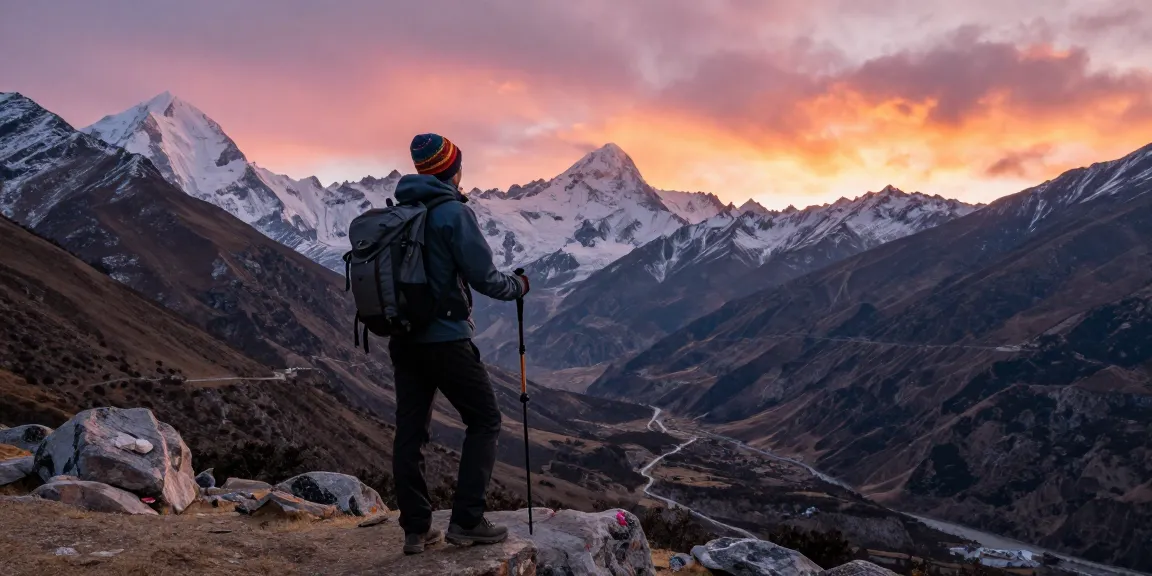
The Everest Base Camp Trek (EBC Trek) is heralded as a quintessential adventure for trekking enthusiasts and nature lovers alike. Nestled in the lap of the mighty Himalayas, this journey offers an unforgettable glimpse into the breathtaking beauty of the world’s highest peaks, including Mt. Everest, and immerses trekkers in the rich culture of the Sherpa community. Spanning approximately 130 kilometers round trip, the trek typically unfolds over 14 days, taking adventurers through lush forests, remote villages, and picturesque valleys, culminating at the base camp situated at a staggering altitude of 5,364 meters (17,598 feet). As you traverse this iconic route, you'll not only experience the captivating landscapes but also the challenges of altitude that accompany trekking at such heights. For those planning their expedition, the Everest Base Camp Trek offers comprehensive insights into itineraries, accommodations, and preparation tips.
What to Expect During the Trek
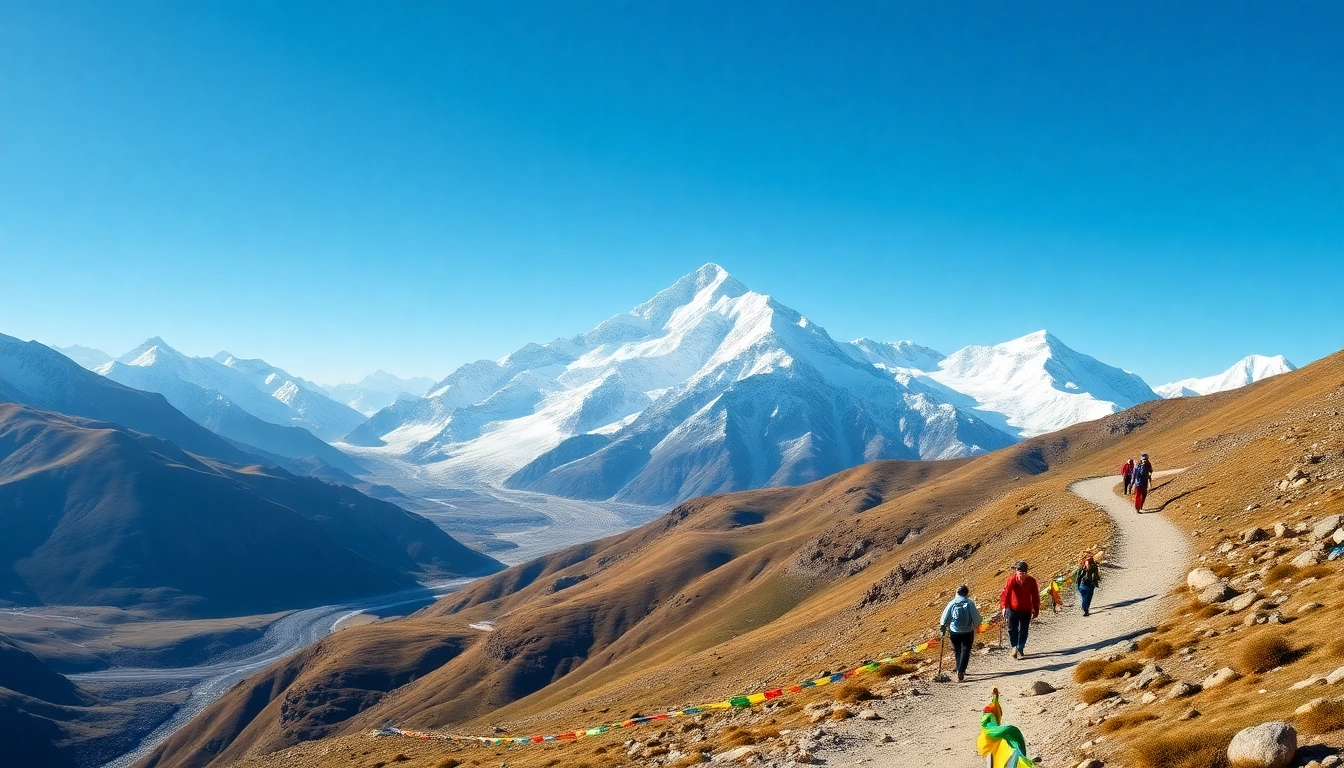
Expectations during the Everest Base Camp Trek range from exhilarating highs to demanding challenges. The trek is known for its varying terrains—from gentle slopes to steep ascents, often requiring trekkers to navigate rugged trails. Along the way, you will encounter vibrant landscapes adorned with rhododendron forests, majestic glaciers, and panoramic mountain views that will inspire awe at every turn. The trek also includes acclimatization days, vital for easing the body into higher altitudes and minimizing the risk of altitude sickness. Furthermore, trekkers are likely to forge lasting friendships with fellow adventurers and local Sherpas, who provide invaluable insights into their rich traditions and lifestyle.
Key Highlights and Attractions
- Namche Bazaar: A bustling market town and the gateway to Everest, perfect for acclimatization.
- Tengboche Monastery: The largest monastery in the Khumbu region, offering stunning views of the surrounding peaks.
- Kala Patthar: The highest point of the trek at 5,555 meters, famous for its breathtaking views of Mount Everest.
- Everest Base Camp: The iconic base camp, often bustling with climbers gearing up for their ascents.
- Scenic Views of Glaciers: Witness the Khumbu Glacier and icefall up close, a reminder of the harsh yet beautiful environment.
Understanding the Trekking Route
The EBC Trek route is well-marked and organized, guiding trekkers through various phases of elevation and diverse landscapes. Starting from Lukla, the trek follows the Dudh Koshi River through Sagarmatha National Park, a UNESCO World Heritage site. The path leads to several villages like Phakding, Namche Bazaar, and Dingboche, where travelers can rest and acclimatize to the increasing altitude. Understanding the route is crucial for pacing yourself, ensuring that you're prepared for challenging sections, and allowing enough time to soak in the stunning scenery.
Detailed Itinerary for the EBC Trek
Day-by-Day Breakdown
- Day 1: Arrival in Kathmandu - Transfer to hotel and orientation meeting with the trekking team.
- Day 2: Fly to Lukla and trek to Phakding (2,610 m) - approximately 3-4 hours.
- Day 3: Trek from Phakding to Namche Bazaar (3,440 m) - approximately 5-6 hours.
- Day 4: Acclimatization Day in Namche - hike to Hotel Everest View (3,880 m) and back.
- Day 5: Trek to Tengboche (3,860 m) - approximately 5-6 hours.
- Day 6: Trek to Dingboche (4,410 m) - approximately 5-6 hours.
- Day 7: Acclimatization Day - hike to Nangkartsang Peak (5,083 m) and back.
- Day 8: Trek to Lobuche (4,910 m) - approximately 5-6 hours.
- Day 9: Trek to Everest Base Camp (5,364 m) and back to Gorak Shep (5,190 m) - approximately 8-9 hours.
- Day 10: Early morning hike to Kala Patthar (5,555 m) for sunrise views then descend to Pheriche (4,240 m).
- Day 11: Trek back to Namche Bazaar (3,440 m) - approximately 7-8 hours.
- Day 12: Trek to Lukla (2,840 m) - approximately 7-8 hours.
- Day 13: Fly back to Kathmandu - transfer to hotel and rest.
- Day 14: Transfer to the International Airport for your final departure.
Acclimatization Days Explained
Acclimatization is crucial in high-altitude trekking. The EBC Trek includes dedicated acclimatization days, primarily in Namche Bazaar and Dingboche. These days allow trekkers to adapt to the reduced oxygen levels and help minimize the risk of altitude sickness. During acclimatization, short hikes to higher altitudes, such as to Hotel Everest View or Nangkartsang Peak, are recommended, followed by a return to lower elevations to sleep. This method helps the body adjust and prepares trekkers for the upcoming challenges ahead.
Flexibility in the Itinerary
Weather conditions and individual performance may require adjustments to your itinerary. Trekking in the Himalayas can be unpredictable, particularly concerning flight schedules to Lukla. Therefore, it's advisable to include buffer days in your travel plans. These extra days can be used for additional acclimatization or to accommodate any unforeseen delays, ensuring a smoother overall experience.
Preparation for the Everest Base Camp Trek
Physical Fitness and Training
Preparing for the Everest Base Camp Trek requires a commitment to physical fitness. It is essential to engage in cardiovascular and strength-training exercises, focusing on building endurance. Aerobic activities such as hiking, cycling, and jogging should be incorporated into your routine at least two months before your trek. Aim for a minimum of four to five exercise days per week, gradually increasing the intensity and duration to prepare your body for the demanding days ahead.
Essential Gear and Packing List
Having the right gear is critical for your comfort and safety during the trek. Essential items include a durable pair of trekking boots, weather-appropriate clothing layers, a good-quality sleeping bag rated for cold temperatures, trekking poles, and a daypack. Additionally, a first-aid kit, personal medications, sunscreen, and reusable water bottles will ensure you stay healthy and hydrated. As trekking equipment can be rented or purchased in Kathmandu, consider checking local shops for your needs before departure.
Health Precautions and Safety Tips
Health and safety should be a priority during your trek. Before departing, ensure you have comprehensive travel insurance that covers high-altitude activities. It is advisable to get vaccinations for preventable diseases and carry necessary medications for altitude sickness, such as Diamox. Additionally, regularly monitor your hydration levels, and maintain a diet rich in carbohydrates to assist with energy needs at high elevations. Always communicate with your guide regarding any health concerns or symptoms you may experience during the trek.
Cost and Inclusions of the EBC Trek
Estimating Your Budget
When planning an Everest Base Camp Trek, understanding the costs involved is crucial for effective budgeting. The average cost for a standard 14-day trek ranges from $1,650 per person, including accommodation, meals, permits, and guides. Prices may vary based on the season, group size, and accommodation choices. There may be additional costs for personal expenses such as snacks, drinks, tips, and any optional side trips.
What’s Included in the Package
- Accommodation in Kathmandu and teahouses during the trek.
- All necessary permits, including TIMS and Sagarmatha National Park permits.
- Meals while trekking (breakfast, lunch, dinner).
- Experienced English-speaking guides and porters.
- Domestic flights from Kathmandu to Lukla and return.
Understanding Additional Expenses
In addition to the base trek cost, it’s important to budget for extra expenses. Plan for approximately $100-$150 for additional snacks, drinks, and souvenirs. Tips for guides and porters are also customary, typically suggested at around 10% of your total trip cost. Making use of local ATMs and credit cards can help with managing cash flow during your travels, but they may not be available at higher altitudes.
Frequently Asked Questions about the EBC Trek
Can Beginners Take on the EBC Trek?
Yes, the Everest Base Camp trek is accessible to beginners, provided they maintain adequate physical fitness and mental preparedness. It is crucial for beginners to follow a structured training regimen leading up to the trek and to be aware of their limits regarding altitude and stamina. With proper guidance and support, even those new to trekking can successfully complete this iconic journey.
Best Times to Go for Optimal Experience
The best times for the Everest Base Camp Trek are during the spring (March to May) and autumn (September to November). These seasons offer the most favorable weather conditions, with clear skies and moderate temperatures, making for an enjoyable trekking experience. Avoiding the monsoon season is essential due to heavy rain and potential landslides that can disrupt trekking plans.
Traveling and Booking Considerations
Travelers planning to embark on the Everest Base Camp Trek should book their trips well in advance, especially for peak trekking seasons. It is advisable to use reputable trekking agencies with experienced guides and staff to ensure a safe and fulfilling adventure. Understanding flight logistics to Lukla is key, as delays or cancellations are common; planning for extra days to accommodate these uncertainties is highly recommended.