Understanding Your Sunroom Options
Different Styles of Sunroom
The appeal of a sunroom lies not just in its functionality but also in its style. There are various designs tailored to different architectural preferences. For instance, the traditional Victorian sunroom often features intricate woodwork, ample glass to invite natural light, and a cozy ambiance. On the other hand, modern sunrooms lean towards minimalist designs, maximizing space and often utilizing frameless glass for an unobstructed view.
Popular styles include:
- Victorian Sunroom: A classic choice with decorative elements and a pitched roof.
- Modern Sunroom: Flat or gently sloped roof designs that embrace a sleek aesthetic.
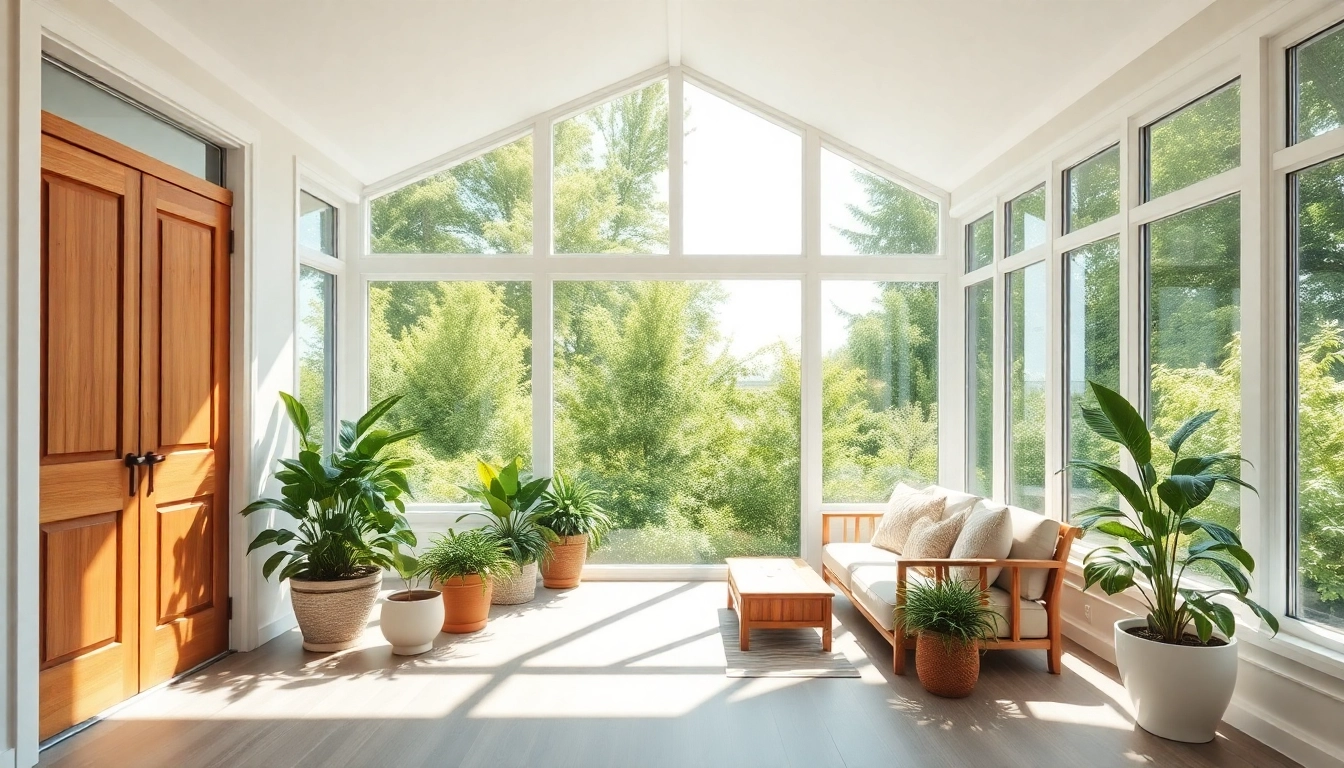
- Solarium: Features a glass ceiling for optimal sunlight exposure, ideal for plant lovers.
- Three-Season Rooms: Designed for mild weather usage, these are less insulated than their four-season counterparts.
- Florida Rooms: Essentially a hybrid, combining indoor comfort and outdoor enjoyment, often featuring screens.
Choosing Materials for Your Sunroom
The materials you select for your sunroom can significantly affect the room's durability, insulation, and aesthetics. Common options include:
- Glass: The primary choice, ensuring your sunroom is flooded with light. High-performance glass can provide insulation and UV protection.
- Aluminum Frames: Renowned for their strength and longevity, aluminum frames are resistant to rust and offer a contemporary look.
- Vinyl Frames: Budget-friendly and low maintenance, they serve well in various climates.
- Wood Frames: Provide a classic appearance but require more maintenance than their synthetic counterparts.
It’s crucial to select materials that align with your local climate to ensure your sunroom remains functional year-round.
Cost Considerations for a Sunroom
The construction of a sunroom can vary widely based on size, materials, and design complexity. Generally, costs range from $15,000 to over $100,000.
Factors influencing cost include:
- Size: A larger sunroom necessitates greater materials and labor.
- Design: Custom designs and architectural details will increase the total cost.
- Location: Building codes and shipping costs can vary by region.
- Utilities: Adding heating or air conditioning will raise initial investment but enhance year-round usability.
Budgeting prior to the project will help ensure better alignment of your visions with financial realities.
Designing Your Perfect Sunroom
Layout and Space Optimization
Designing your sunroom requires careful consideration of layout and space. Start by assessing the purpose of your room—whether as a cozy reading nook, a family gathering spot, or a greenhouse for plants, the layout will differ.
To optimize space, consider these tips:
- Open Concept: Make use of an open layout that flows seamlessly from the rest of your home.
- Functional Furniture: Choose multi-purpose furniture that can accommodate guests while also being practical.
- Accessibility: Ensure smooth traffic flow and easy access to and from adjoining rooms.
Decorative and Functional Elements
Integrating decorative and functional elements in your sunroom enhances both style and usability. Here are key aspects to consider:
- Window Treatments: Blinds and shades can control glare while maintaining privacy.
- Lighting: Use a mix of ambient and task lighting for versatility—pendants, wall sconces, and floor lamps combine aesthetics with functionality.
- Shelving: Floating shelves can display decorative pieces or houseplants, maximizing vertical space.
Incorporating Nature into Your Sunroom
A sunroom naturally lends itself to a connection with the outdoors. Incorporate nature through plants, flowers, and natural materials. Consider these ideas:
- Indoor Plants: Choose low-maintenance plants that thrive in bright indoor spaces, like succulents or ferns.
- Natural Materials: Use stone, wood, or bamboo for flooring and furniture to keep a natural vibe.
- Water Features: Small fountains or aquatic plants can introduce a calming sound and help purify the air.
Benefits of Adding a Sunroom
Enhancing Home Value with a Sunroom
Installing a sunroom can significantly enhance your home’s resale value. According to studies, properties with sunrooms have a higher market appeal and can sell for up to 12% more than homes without.
A well-designed sunroom adds usable square footage, which is attractive to potential buyers and provides a unique selling proposition. Homeowners can see a return on investment (ROI) of approximately 50-70% when they eventually sell.
Creating a Multi-Functional Space
Sunrooms can serve multiple purposes, making them a versatile addition to your home. A sunroom can function as:
- Garden Space: Perfect for nurturing indoor plants or starting seedlings prior to outdoor planting.
- Leisure Room: A comfortable retreat where you can read, relax, or entertain guests.
- Home Office: Embrace sunny productivity with a home office in a tranquil setting.
Improved Lifestyle and Well-being
Having a sunroom can enhance your lifestyle through increased exposure to natural light, which has numerous psychological and physiological benefits. Natural light helps regulate circadian rhythms, improves mood, and can even alleviate symptoms of Seasonal Affective Disorder (SAD).
Additionally, the seamless transition between indoor comfort and the beauty of outdoor surroundings can reduce stress, fostering a holistic sense of well-being.
Planning Your Sunroom Project
Permits and Regulations for a Sunroom
Before constructing a sunroom, it’s essential to check local building codes and restrictions. Most jurisdictions require permits for new builds, which can include inspections and specific guidelines about materials and construction methods.
Engaging with your local planning office can help you navigate the legalities, ensuring that your project adheres to all relevant regulations.
Steps for Building Your Sunroom
Building a sunroom involves several key steps:
- Planning: Define budget, materials, and function.
- Design: Draw plans or hire a designer to streamline the process.
- Permits: Secure necessary building permits from local authorities.
- Foundation: Lay the foundation, ensuring it supports your planned structure.
- Construction: Build the shell and install glass as per design specifications.
- Interior Finishing: Add lighting, flooring, and décor to complete the space.
Following these steps will establish a clear pathway from concept to completion, reducing chances of setbacks during construction.
Hiring Professionals vs. DIY
Deciding whether to hire professionals or take a DIY approach for your sunroom largely depends on your budget, skill level, and local regulations. Hiring professionals can ensure high-quality construction and adherence to codes.
On the other hand, a DIY project can save money, but requires proper research, tools, and expertise. Evaluating your time commitment and capability is crucial in making this choice.
Maintenance Tips for Your Sunroom
Cleaning and Care for Glass
Maintaining your sunroom's glass is vital to maintain its aesthetic appeal and functionality. Regular cleaning prevents dirt buildup and ensures maximum light penetration. Use a mixture of vinegar and water, or a dedicated glass cleaner, to avoid streaks. Don’t forget to clean both inside and out to give you the best views.
Seasonal Maintenance Checklist
Seasonal maintenance is essential to keep your sunroom in top condition throughout the year. Here’s a checklist to follow:
- Spring: Check seals and caulking for leaks, clean windows, and refresh plants.
- Summer: Inspect blinds and shades for damage, manage ventilation to prevent overheating.
- Fall: Clean gutters, prepare for winter by checking insulation and heating elements.
- Winter: Regularly remove snow from the roof to prevent structural stress.
Upgrades to Enhance Your Sunroom
Consider upgrading features in your sunroom to boost functionality and aesthetics. Options include:
- Heating/Cooling Systems: Install retractable heaters or ceiling fans for comfort options year-round.
- Smart Glass: Incorporate smart glass technology to manage privacy and temperature.
- Furniture: Invest in stylish, durable, and comfortable outdoor furniture to enhance usability.
Making thoughtful upgrades not only enhances comfort but can also elevate the overall experience of your sunroom.
Frequently Asked Questions
What is the typical cost of building a sunroom?
The cost of building a sunroom can range from $15,000 to over $100,000, depending on size, materials, and design complexity.
Do I need a permit to build a sunroom?
Yes, most areas require a permit for constructing a sunroom. Check local building codes to ensure compliance before starting the project.
How long does it take to build a sunroom?
The timeline for building a sunroom varies but typically ranges from a few weeks to a few months, depending on design complexity and contractor availability.
Can I use my sunroom year-round?
Yes, if properly insulated and equipped with heating and cooling, a sunroom can be used year-round for various activities.
How do I maintain my sunroom?
Regular cleaning of glass, seasonal inspections for wear and tear, and maintaining the landscaping surrounding your sunroom are key to ensuring longevity.