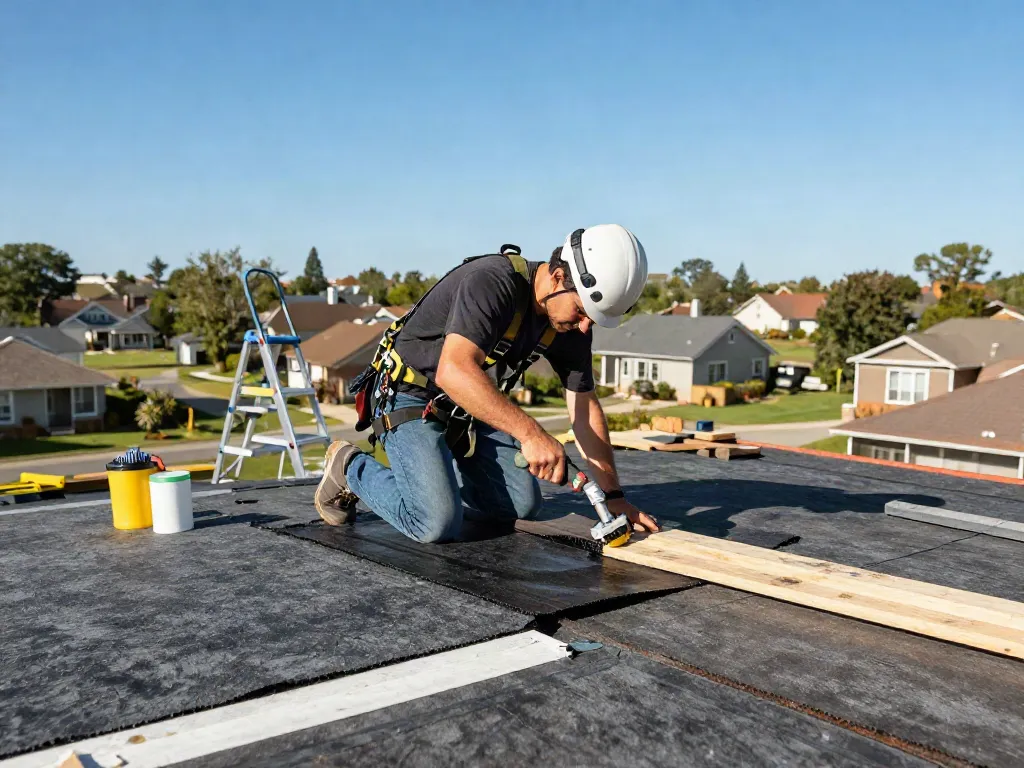
Understanding Felt Roof Replacement
Felt roof replacement is a critical aspect of maintaining the integrity and durability of flat roofs commonly found on garages, extensions, and various other structures. Over time, these roofs can deteriorate due to weather exposure, improper installation, or aging materials. When it becomes necessary to replace a felt roof, homeowners face a complex decision-making process that includes evaluating materials, hiring the right contractors, and understanding the costs involved. For an extensive overview and to connect with specialists in your area, visit felt roof replacement. This article will facilitate your comprehension of the entire felt roof replacement process, ensuring that you make informed decisions that protect your property.
What is Felt Roof Replacement?
Felt roof replacement involves the removal of old or damaged roofing felt and the installation of new material. This is typically required when the existing roof shows significant signs of wear, such as leaks, blistering, or a general decline in performance. Felt roofs are favored for their waterproof properties and ease of installation, making them a common choice for flat roofing solutions in both residential and commercial buildings.
Why Choose Felt Roofing?
Felt roofing is known for its affordability and effectiveness. It provides a durable layer of protection against the elements, particularly in rainy climates. When installed correctly, felt roofing can last anywhere from 10 to 20 years, depending on the quality of the materials used and the expertise of the installer. Additionally, modern felt roofing systems offer enhanced weather resistance and longevity compared to older roofing felt materials.
Common Materials Used in Felt Roof Replacement
Modern felt roof replacements typically use several advanced materials, including:
- Reinforced Bitumen Membrane (RBM): This is a robust and durable material ideal for flat roofs.
- Torch-On Felt: A popular choice, this involves heating the felt to bond it seamlessly to the roof surface.
- Cold-Applied Felt: This type of felt is adhered using adhesive, making it easier and safer to install without open flames.
- Liquid Applied Systems: These provide a seamless finish and can be used to coat existing roofs without replacement.
Identifying When Replacement is Necessary
Knowing when to replace your felt roof is crucial for protecting your property from water damage and maintaining its value. There are several indicators that can help you determine whether replacement is necessary.
Signs Your Felt Roof Needs Replacement
Several signs may suggest that your felt roof is due for replacement, including:
- Visible Damage: Cracks, blisters, or tears in the felt material.
- Water Leaks: Any signs of water intrusion, especially in internal ceilings or walls.
- Pooling Water: Areas where water collects rather than draining off can indicate a failure in the roofing system.
- Aging Material: If your roof is nearing or has exceeded its expected lifespan, replacement is advised.
Common Issues with Aging Felt Roofs
Aging felt roofs can present multiple problems, including:
- Loss of Flexibility: As felt ages, it can become brittle, making it more prone to cracking.
- Delaminating Layers: Older felt roofs may delaminate, leading to a compromised protective barrier.
- Decreased Insulation Efficiency: Aging felt roofs can compromise the building's energy efficiency, leading to higher heating costs.
Evaluating the Cost of Replacement vs. Repair
When faced with a damaged felt roof, homeowners often wonder if they should repair or replace the roof entirely. Repairing a roof may seem cost-effective initially; however, it may only provide a temporary solution. It's essential to consider the long-term costs of frequent repairs versus a one-time investment in a replacement. A full replacement, while more costly upfront, usually provides a longer lifespan and less hassle.
Choosing the Right Professionals
Finding a suitable contractor for your felt roof replacement is crucial. The right professionals not only ensure quality but also peace of mind as they perform the work.
What to Look for in a Roofing Contractor
Consider the following factors when selecting a roofing contractor:
- Experience and Specialization: Look for contractors who specialize in felt roofing.
- Licensing and Insurance: Ensure the contractor has the necessary licenses and insurance to protect you from liability.
- Client Testimonials: Read reviews and ask for references to gauge past customer satisfaction.
Importance of Insurance and References
Contractors should provide proof of insurance to protect you from financial liability in the event of an accident during the roofing process. Additionally, references from previous clients can help you assess the quality of their work and reliability.
How to Compare Quotes Effectively
Gathering multiple quotes allows homeowners to make informed decisions. Look for clarity in quotes regarding:
- Type of materials to be used.
- Costs, including labor and materials.
- The warranty period offered for both materials and workmanship.
Step-by-Step Guide to a Successful Replacement
A successful felt roof replacement requires careful planning and execution. Understanding the process helps homeowners feel in control and aware of what to expect.
Preparation Before the Replacement Process
Before replacing your felt roof, ensure that the following steps are taken:
- Clear the Area: Remove all objects from around the roof to facilitate safe work conditions.
- Inspect the Structure: Check for any underlying issues such as wood rot that may need addressing before the new roof is installed.
- Set a Budget: Decide on the maximum you are willing to spend and communicate this to prospective contractors.
The Replacement Process Explained
The replacement process typically involves the following steps:
- Removal of the old felt roofing.
- Inspection of the roof deck and repair of any damaged areas.
- Installation of new underlay and felt materials according to specifications.
- Final inspections to ensure the integrity of the installation and prevention of leaks.
Post-Replacement Care and Maintenance Tips
After your new felt roof is installed, proper care and maintenance will extend its lifespan. Here are some tips:
- Regular Inspections: Check for debris and blockages in gutters regularly.
- Prompt Repairs: Address any signs of wear immediately to prevent further damage.
- Annual Maintenance: Schedule professional inspections at least once a year.
Future Trends in Roofing Technology
As technology evolves, so does the landscape of roofing materials and techniques. Staying informed about these changes can help you choose the best options for your home.
Innovations in Felt Roofing Materials
Future felt roofing materials may include:
- Eco-Friendly Options: Sustainable materials are becoming more popular, appealing to environmentally conscious homeowners.
- Smart Technology: Incorporating sensors that alert homeowners to leaks or temperature changes is on the horizon.
Energy Efficiency Considerations for 2026
With energy costs rising, roofing solutions that enhance energy efficiency will be essential. Consider options that incorporate insulation and reflective technologies to minimize heat loss and reduce energy bills.
Preparing for Climate Challenges with Modern Roofing
Weather patterns are changing, and roofs must be equipped to withstand heavy rains and winds. Investing in high-quality materials designed for extreme weather can safeguard your home against future damage.
Can I refelt a roof myself?
While DIY projects can be rewarding, felt roof replacement requires skills and knowledge. Incorrect installation can lead to costly damages, so hiring a professional is often the best option.
What is the life expectancy of a felt roof?
Depending on the materials used and installation quality, felt roofs can last anywhere from 10 to 20 years. Routine maintenance can extend this lifespan significantly.
Should you remove old felt when replacing a roof?
Removing the old felt is generally recommended to ensure that the new roofing material adheres properly and to inspect the underlying structure for damage.
Can you put new felt on top of old felt?
While it is technically possible to install new felt over the old, it is not advisable due to potential moisture issues and adhesion problems. A professional can help determine the best course of action for your specific situation.