
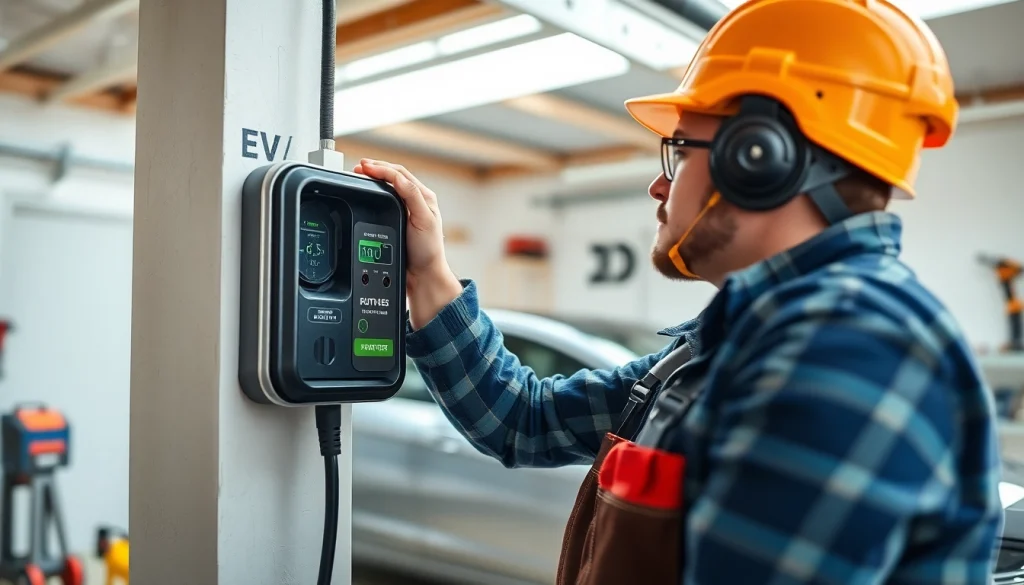
Understanding the Importance of Home EV Chargers
As the world shifts towards sustainable energy solutions, electric vehicles (EVs) are becoming increasingly popular. This transition has led to a growing demand for efficient home charging solutions, making the installation of home EV chargers crucial for EV owners. Not only do home chargers provide convenience, but they also optimize your vehicle’s charging capabilities. Partnering with McNally EV ensures you receive expert guidance and installation services tailored to your unique needs.
Benefits of Installing a Home EV Charger
Installing a home EV charger encompasses numerous advantages. From cost savings to convenience, the benefits are manifold:
- Cost Savings: Charging at home can be significantly cheaper than using public charging stations. You can take advantage of off-peak electricity rates.
- Convenience: Home chargers eliminate the need to stop at public stations, making it easy to charge your vehicle overnight.
- Faster Charging: Home chargers typically provide a higher charging rate compared to standard wall outlets, allowing for faster replenishment.
- Increased Vehicle Longevity: Regular home charging helps manage battery health through controlled charging cycles.
How Home Charging Works
Home EV chargers link directly to your household electrical system, allowing for a seamless charging experience. They convert AC power from your home’s electricity supply to DC power, which is then stored in your vehicle’s battery. Common EV charging methods include:
- Level 1 Charging: Uses a standard 120-volt outlet. It’s slow but sufficient for overnight charging.
- Level 2 Charging: Requires a 240-volt outlet, providing faster charging, often completed in a few hours.
Understanding these charging levels will help you choose the right installation for your needs.
Common Myths About Home EV Chargers
Despite the increasing use of EVs, several myths about home charging persist:
- Myth 1: Home chargers are too expensive to install. Truth: Many cost-effective options exist, with long-term savings on fuel and maintenance.
- Myth 2: EVs are always slow to charge at home. Truth:This depends on the charger type; Level 2 chargers significantly reduce charging time.
- Myth 3: It’s not safe to charge EVs at home. Truth: With proper installation and adherence to safety standards, home charging is very safe.
Choosing the Right EV Charger for Your Home
Choosing the right EV charger involves understanding your vehicle’s requirements and your home setup. Several key considerations can guide your decision-making process.
Types of Home EV Chargers Explained
There are mainly three types of home EV chargers:
- Standard Chargers: Suitable for simple residential setups, where the vehicle is charged overnight.
- Smart Chargers: Equipped with Wi-Fi connectivity for remote monitoring and management via apps.
- Portable Chargers: Convenient for those who travel or need flexibility in charging locations.
Identifying the charger that suits your lifestyle ensures maximum efficiency and convenience.
Factors to Consider When Selecting an EV Charger
When selecting an EV charger, consider the following factors:
- Charging Speed: Assess how quickly you need your vehicle charged.
- Installation Location: Ensure adequate space and access to power outlets.
- Compatibility: Confirm that the charger is compatible with your specific EV model.
- Smart Features: Evaluate if you need features like scheduling and usage tracking.
- Warranty: Look for chargers with extensive warranties, which indicate the manufacturer’s confidence in their products.
Popular Brands vs. Custom Solutions
Deciding between popular name-brand chargers and customized solutions depends on several factors:
- Brand Chargers: Often come with established warranties and support but may have higher costs.
- Custom Solutions: Tailored to your specific needs but require thorough research and planning. They can often provide enhanced functionality suited to individual requirements.
Weigh the pros and cons of each option to make a well-informed decision.
Preparing for Installation of McNally EV Chargers
Before installation begins, a few preparatory steps need to be taken. These will streamline the process and ensure safety compliance.
Site Assessment and Preparation Steps
A site assessment will determine the best location for your charger installation. Key factors to consider include:
- Proximity to your vehicle’s parking area
- Access to a suitable electrical supply
- Environmental factors like sunlight exposure or weather protection
These considerations will help in efficiently planning the installation process.
Understanding Local Electrical Codes
Familiarity with local electrical codes is essential to ensure safety and compliance. Regulations may vary significantly, so consulting with professionals like McNally EV will provide you with the expertise necessary to adhere to local guidelines. This reduces the risk of costly fines or safety hazards.
Best Practices for a Smooth Installation
Implementing best practices during the installation phase can lead to a hassle-free experience. These may include:
- Scheduling installation at a time that minimizes disruptions
- Ensuring the workspace is clear and prepared
- Highlighting any potential hazards present during installation
Being proactive in these areas helps streamline the entire process significantly.
McNally EV Installation Process Explained
Understanding the installation process can help alleviate any concerns you may have. Here’s a detailed step-by-step breakdown.
Step-by-Step Installation Walkthrough
The installation of your EV charger typically follows these steps:
- Consultation: Discuss your specific charging needs with a McNally EV specialist.
- Site Assessment: Evaluate the installation location for optimal setup.
- Permitting: Obtain necessary permits, as required by local authorities.
- Installation: Install wiring and wall-mounted chargers at designated locations.
- Testing: Ensure all connections are secure and conduct a thorough system test.
- Final Walkthrough: Review functionality with the homeowner and answer any questions.
Tools and Equipment Used
The tools and equipment necessary for the installation can include:
- Electrical testing devices
- Circuitry tools
- Mounting brackets and fasteners
- Safety gear for technicians
Using the correct tools ensures safety and efficiency throughout the process.
Safety Precautions to Take During Installation
Safety is paramount. Following these precautions can prevent accidents:
- Always wear personal protective equipment (PPE).
- Ensure power is turned off before starting any electrical work.
- Use insulated tools to prevent electric shock.
McNally EV experts prioritize safety and comply with all professional standards during installation.
Post-Installation Insights and Maintenance for Your EV Charger
After installation, it’s essential to maintain your EV charger to ensure optimal performance over time.
How to Optimize Charging Efficiency
Maximizing charging efficiency can save time and reduce costs. Consider the following tips:
- Charge during off-peak hours to take advantage of lower rates.
- Regularly monitor your charger’s performance via connected apps.
- Limit charging to recommended levels to enhance battery lifespan.
These strategies can boost your charging experience while keeping energy bills manageable.
Regular Maintenance Tips for EV Chargers
Routine maintenance ensures your charger functions optimally. Follow these best practices:
- Inspect cables and connections regularly for wear and damage.
- Keep the charger and surrounding area clean and free of obstructions.
- Schedule professional maintenance checks annually to prevent major issues.
Adopting these maintenance tips fosters longevity and reliability.
Troubleshooting Common Issues with EV Chargers
Even with regular maintenance, issues may arise. Here are common problems and their solutions:
- Charger Not Responding: Check the power supply and connections.
- Slow Charging: Inspect your charger’s settings and ensure it’s configured correctly.
- Error Messages: Refer to your charger’s manual for specific diagnostic procedures.
Proactive troubleshooting can save time and expense, ensuring a smooth charging experience.
Frequently Asked Questions
What size electrical service do I need for an EV charger?
Typically, a Level 2 charger requires a dedicated 240-volt circuit. Consult with an electrician to assess your home’s capacity.
Is it safe to charge my EV overnight?
Yes, charging overnight is safe, especially with a dedicated home charger. It’s advisable to utilize smart features to schedule charging times.
Can I install an EV charger myself?
While some homeowners consider DIY installations, it’s highly recommended to hire professionals to ensure safety and compliance with local codes.
What maintenance does my EV charger require?
Regularly inspect electrical connections, clean the unit, and schedule professional checks to maintain functionality and safety.
What if my EV charger stops working?
Start by checking the power supply and connections. If issues persist, contact a qualified technician to diagnose the problem.