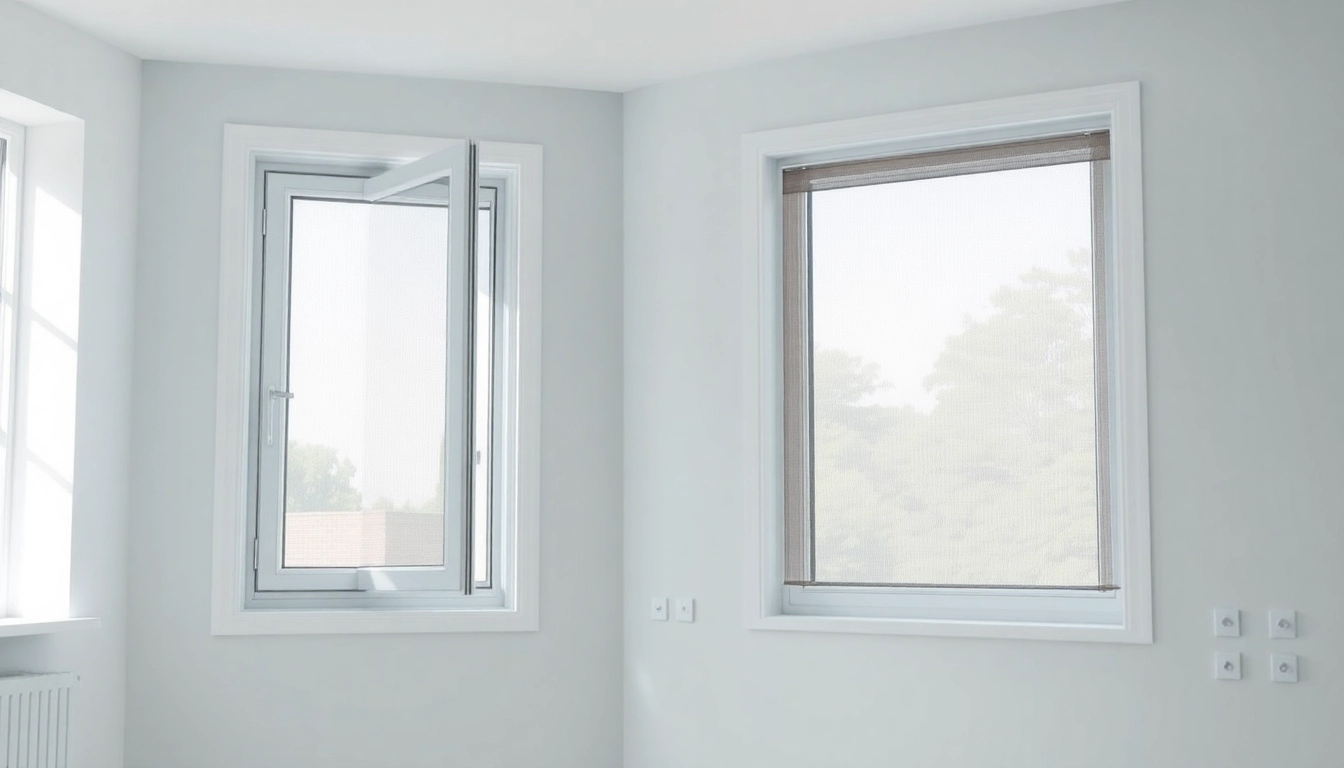
Understanding Fly Mesh Windows
What are Fly Mesh Windows?
Fly mesh windows are specialized screens designed to fit over your window openings, providing a barrier against insects while allowing fresh air and light to enter your home. These screens are typically made from lightweight but durable materials such as fiberglass or polyester, woven into a fine mesh that effectively prevents flies, mosquitoes, and other bugs from entering your living space. They come in various styles, including fixed, retractable, and pleated options, making them flexible for different window designs and user preferences. For more details on these flexible solutions, check out fly mesh windows.
Benefits of Using Fly Mesh Windows
Choosing fly mesh windows for your home comes with several advantages. Primarily, they allow ventilation while keeping harmful pests outside. They are also effective at filtering out debris and dust, thus improving indoor air quality. Additionally, fly mesh windows help minimize the need for chemical insect repellents, promoting a more sustainable living environment. Easily removable designs make seasonal cleaning and maintenance straightforward, and their unobtrusive appearance can enhance the aesthetic of your home while still providing practical benefits.
How Fly Mesh Windows Function
Fly mesh windows function as a physical barrier between the outside environment and your interior. When installed, they create a tight seal around the window frame, preventing bugs from entering while still allowing air to flow freely. The mesh is designed to be easy to clean, and most materials used are resistant to UV light, ensuring durability. Many of these screens can also be retracted or removed based on your preferences, offering a combination of flexibility and protection that suits various homeowner needs.
Choosing the Right Fly Mesh Windows
Materials Used in Fly Mesh Windows
Fly mesh windows are commonly made from materials such as fiberglass, stainless steel, or polyester. Fiberglass is the most popular choice due to its strength, lightweight nature, and resistance to corrosion. Stainless steel offers additional durability and high tensile strength, making it an ideal choice for areas with heavy insect traffic. Polyester, while less common, is also used for its flexibility and ease of installation. Each material has unique properties that make them suitable for different applications, allowing consumers to select what best fits their needs.
Different Types of Fly Mesh Windows
Several types of fly mesh windows are available, each tailored for specific preferences and styles:
- Fixed Fly Screens: These are stationary and mounted permanently to the window frame, offering a simple and effective solution.
- Retractable Fly Screens: These can be pulled down or rolled up, offering flexibility and convenience for homeowners who prefer unobstructed views.
- Pleated Fly Screens: These screens fold back when not in use, taking up minimal space while still providing excellent insect protection when deployed.
- Magnetic Fly Screens: These use magnets to connect the mesh to the frame, allowing for easy passage in and out while closing securely behind you.
Measuring Your Windows for Fly Screens
When considering fly mesh windows, accurate measurements are critical. Here’s a quick guide to ensure you choose the right size:
- Measure the width of your window from one side of the frame to the other.
- Measure the height of your window from the top of the frame to the bottom.
- Consider the depth of the frame, especially if you are opting for fixed screens.
Taking precise measurements will help you select the right size and type of fly mesh windows, ensuring a proper fit and optimal performance.
Installation of Fly Mesh Windows
DIY Installation vs. Professional Help
Installing fly mesh windows can often be a DIY project, especially for simple fixed screens, making it a cost-effective option. However, more complex installations—including retractable or pleated systems—may require professional assistance. Weigh the pros and cons of DIY based on your comfort level with tools and installation techniques versus the potential cost of hiring a professional service.
Tools Needed for Installing Fly Mesh Windows
To install fly mesh windows yourself, gather the following tools:
- Measuring tape
- Level
- Drill or screwdriver
- Utility knife or scissors
- Cleaner for the window frame
Having the right tools will significantly ease the installation process and help you achieve a professional-looking finish.
Step-by-Step Installation Guide
Follow this guide for a straightforward installation process:
- Begin by cleaning the window frame thoroughly to ensure a good seal.
- Measure and cut the mesh according to your window dimensions.
- Position the screen against the window frame and secure it using the provided attachments.
- Ensure the screen is tight and flush against the frame to prevent any gaps.
- Test the screen by opening and closing the window to check for accessibility.
This guide offers a foundation for successfully installing your fly mesh windows—taking you one step closer to a pest-free home.
Maintenance and Care for Fly Mesh Windows
Best Practices for Cleaning
Maintaining your fly mesh windows is crucial to ensure they continue to perform effectively. Regular cleaning can prevent the buildup of dirt and grime. Use a soft brush or vacuum attachment to remove loose dirt and dust. For deeper cleans, a soft cloth and mild soap mixed with water can gently scrub the mesh without causing damage.
Checking for Damage
Inspect your fly mesh windows periodically for signs of wear, such as tears or loose fittings. Address any issues promptly to ensure that the screens maintain their effectiveness in keeping insects out. Regular checks help in prolonging the lifespan of your screens and maintaining their aesthetic appeal.
When to Replace Fly Mesh Windows
Consider replacing your fly mesh windows if you notice significant wear and tear or if they no longer fit securely in the frame. Environmental elements can degrade the mesh over time, leading to a decline in performance. If you experience increased insect presence despite having screens installed, it might be time for a replacement.
FAQs about Fly Mesh Windows
How much do fly mesh windows cost?
Prices vary based on size and type, ranging from around $50 for standard sizes to $200 or more for custom options.
Do fly mesh windows keep all insects out?
Fly mesh windows effectively block most insects but may not be 100% foolproof against smaller pests like gnats or tiny ants.
Can I install fly mesh windows myself?
Yes, many fly mesh windows come with installation kits that include detailed instructions, making DIY installation feasible.
How do I clean fly mesh windows?
Regular cleaning can be done with a soft cloth or soft brush; mild soap and water can be used for deeper cleaning when needed.
What sizes do fly mesh windows come in?
Fly mesh windows are available in various sizes, and many can be custom-made to fit specific window dimensions.