Introduction to Video Analytics for CCTV
Video analytics for CCTV has become a cornerstone of modern security systems, offering advanced monitoring capabilities that go far beyond traditional surveillance. Video analytics for CCTV allows organizations to detect unusual activities, track movement, and generate real-time alerts, thereby enhancing the overall security infrastructure. By integrating video analytics for CCTV, businesses, government agencies, and residential complexes can achieve proactive security measures rather than relying solely on manual observation. These systems not only improve response times to incidents but also reduce human error in monitoring large areas with multiple cameras.
How Video Analytics for CCTV Works
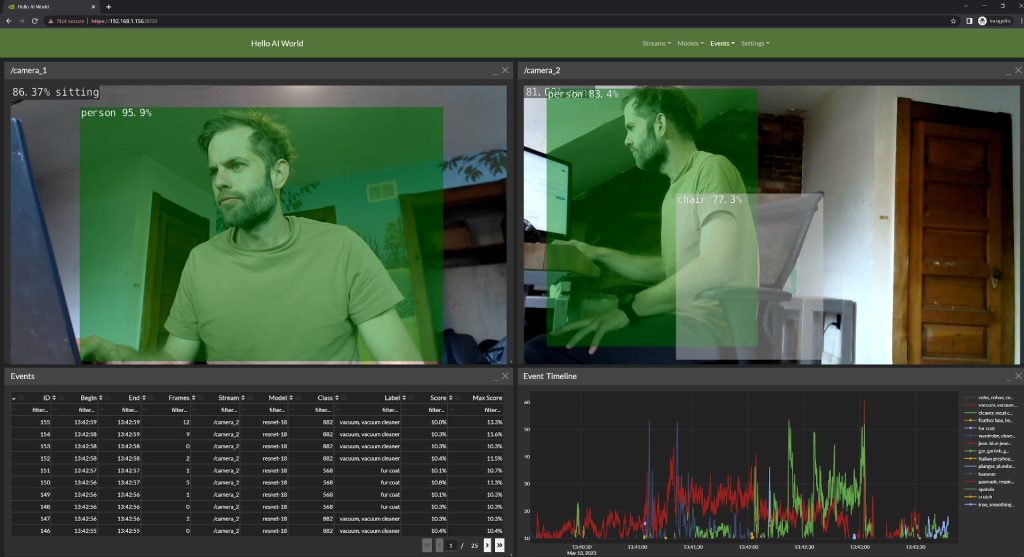
The technology behind video analytics for CCTV involves intelligent software that analyzes video streams to identify patterns and detect anomalies. This can include motion detection, facial recognition, vehicle identification, and behavioral analysis. Cameras capture footage, which is then processed using algorithms capable of recognizing specific events, such as unauthorized entry or loitering. Modern video analytics systems often incorporate artificial intelligence and machine learning to continuously improve accuracy. By learning from historical data, these systems can distinguish between normal activities and potential threats, minimizing false alarms and ensuring more reliable monitoring.
Benefits of Video Analytics for CCTV
Implementing video analytics for CCTV provides numerous benefits for security management. Firstly, it enhances situational awareness by providing actionable insights from video feeds. Security personnel can prioritize alerts based on severity, allowing them to respond more effectively to incidents. Secondly, these systems enable automation, reducing the need for constant human supervision while ensuring continuous monitoring. Thirdly, video analytics for CCTV supports evidence collection and investigation. Recorded footage can be analyzed quickly to identify suspects, reconstruct events, and provide proof for legal proceedings. Additionally, businesses can use data collected from analytics to optimize operational efficiency, such as monitoring crowd flow or identifying unauthorized access areas.
Applications Across Industries
Video analytics for CCTV is not limited to traditional security purposes; it has applications across various industries. In retail, analytics can track customer movement and detect shoplifting. In transportation, systems can monitor traffic flow, detect accidents, and enforce road safety regulations. In industrial settings, analytics can help ensure worker safety by identifying hazardous behaviors or areas. Educational institutions utilize video analytics to enhance campus safety and monitor entry points. The versatility of video analytics for CCTV allows organizations to address unique security challenges while improving operational efficiency and risk management.
Challenges and Considerations
While video analytics for CCTV provides significant advantages, there are challenges that organizations must address. One major consideration is privacy and data protection, as cameras often capture sensitive information. Compliance with regulations such as GDPR is essential to avoid legal consequences. Additionally, the accuracy of video analytics depends on camera quality, lighting conditions, and proper configuration of the software. False alarms or missed detections can occur if these factors are not optimized. Integration with existing security infrastructure can also be complex, requiring technical expertise and ongoing maintenance to ensure the system functions effectively.
Future Trends in Video Analytics for CCTV
The future of video analytics for CCTV is closely tied to advances in artificial intelligence and machine learning. Systems are expected to become more predictive, capable of not just detecting incidents but anticipating potential threats. Cloud-based solutions will allow for remote monitoring and centralized management of multiple sites. Integration with other smart technologies, such as access control and alarm systems, will create more comprehensive security ecosystems. As technology evolves, video analytics for CCTV will continue to enhance safety, efficiency, and situational awareness across both public and private sectors.
FAQ: Video Analytics for CCTV
What is video analytics for CCTV? Video analytics for CCTV is the use of intelligent software to analyze video footage from cameras to detect specific events, track objects, and generate alerts for security purposes.
How does video analytics improve security? By automatically detecting unusual activity and providing real-time alerts, video analytics reduces human error and enables faster response to incidents.
Are there privacy concerns with video analytics for CCTV? Yes, organizations must ensure compliance with privacy regulations and secure sensitive video data to protect individuals’ rights.
Can video analytics detect all types of incidents? While highly effective, the accuracy of video analytics can be affected by environmental conditions, camera quality, and system configuration, so it may not detect every incident perfectly.
Is video analytics suitable for all industries? Yes, video analytics for CCTV can be applied in retail, transportation, industrial environments, education, and more, offering both security and operational insights.
Conclusion
Video analytics for CCTV is transforming the landscape of security monitoring by providing intelligent, automated, and highly accurate surveillance capabilities. By analyzing video footage in real-time and generating actionable alerts, organizations can enhance safety, optimize operations, and respond effectively to potential threats. As technology continues to evolve, video analytics for CCTV will play an increasingly critical role in secure monitoring, ensuring that security systems are not just reactive but proactive and intelligent.